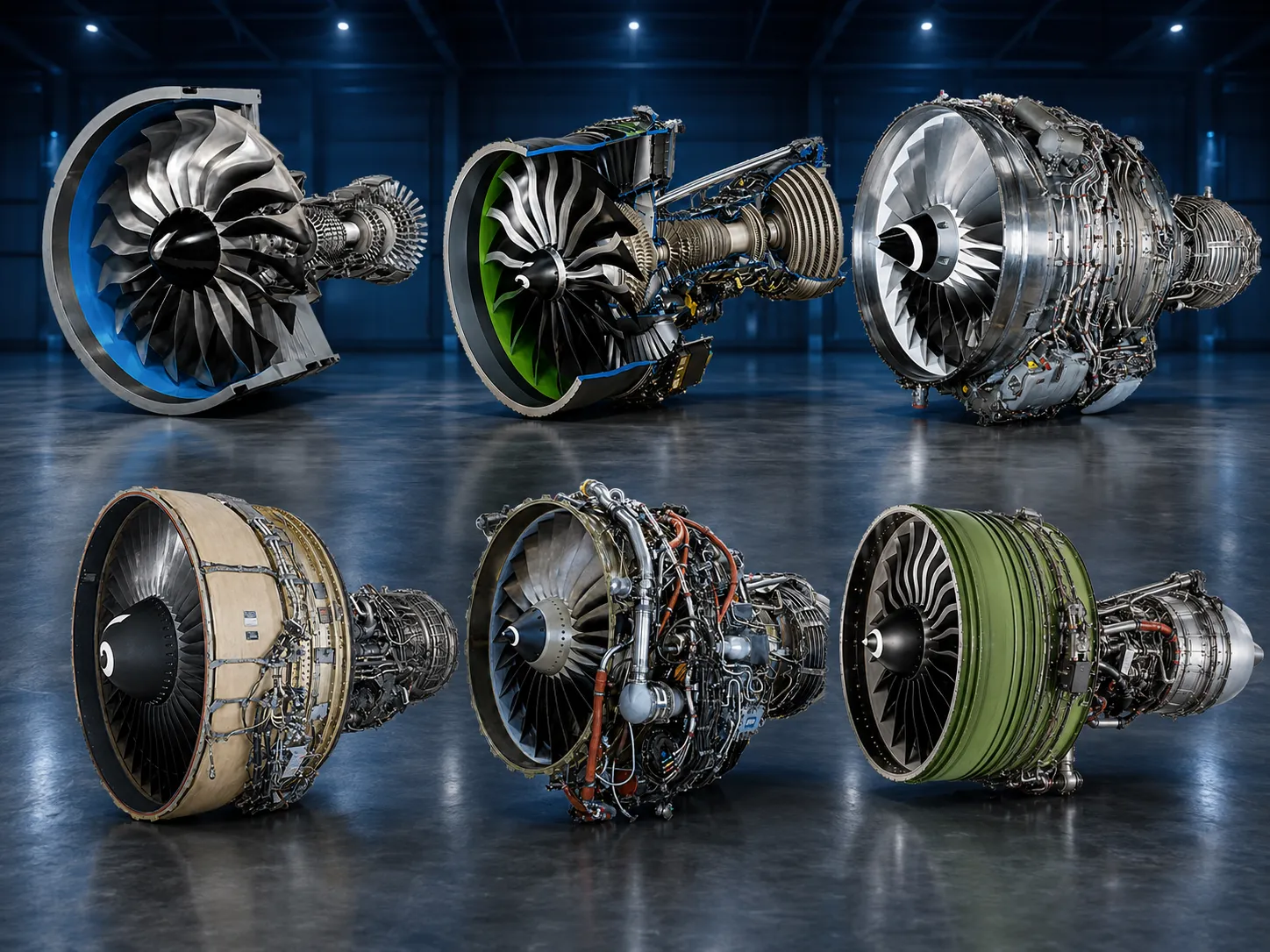
Aircraft engines are among the most important systems on any airplane. They do far more than produce the thrust needed for flight. Each major engine family represents years of progress in engineering, materials, efficiency, reliability, and maintenance technology.
In modern commercial aviation, some engines stand out because of their impact on airline operations, their presence across major fleets, or the technologies they introduced. The Pratt & Whitney GTF, GE9X, IAE V2500, GE CF6, CFM56, and GE90 are strong examples of how aircraft propulsion has evolved across different generations of airliners.
In simple terms: each engine in this list represents an important part of modern aviation, from proven turbofans that still support large fleets to next-generation engines designed for greater efficiency, lower emissions, and long-haul performance.
The Pratt & Whitney GTF, also known as the Geared Turbofan, is a modern turbofan engine family built around a reduction gearbox. This gearbox allows the front fan and the low-pressure turbine to rotate at different speeds, helping each section of the engine operate closer to its most efficient range.
This architecture helps reduce fuel burn, noise, and emissions, making the GTF one of the most important propulsion technologies for new-generation single-aisle aircraft. It powers aircraft such as the Airbus A320neo family, the Airbus A220, and the Embraer E-Jets E2 family.
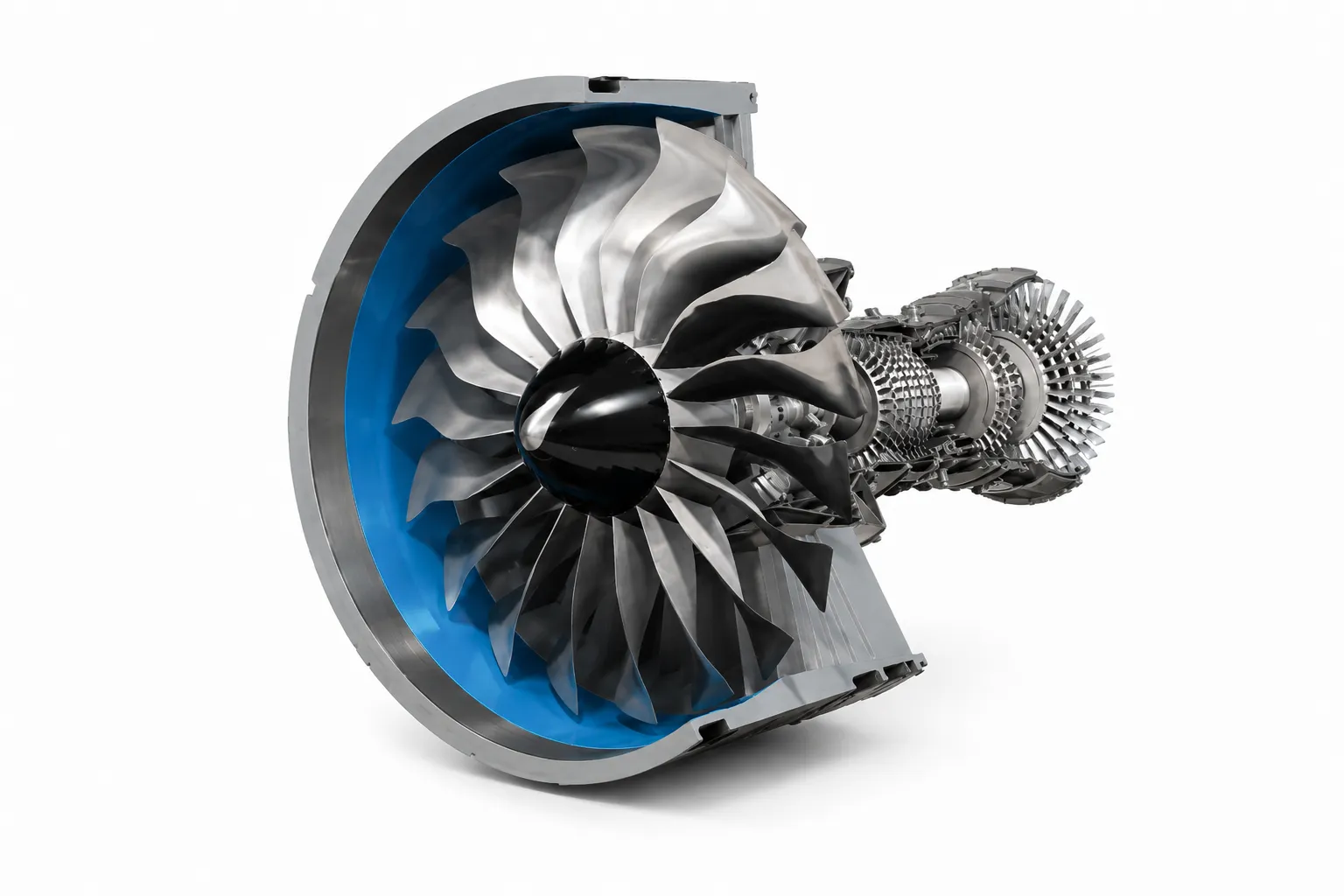
Pratt & Whitney GTF engine family. Image used for educational purposes.
The GE9X, developed by GE Aerospace, is one of the most advanced turbofan engines ever built for long-haul commercial aviation. It was designed specifically for the Boeing 777X family, combining a very large fan, high bypass ratio, high overall pressure ratio, and advanced materials.
Its technology includes ceramic matrix composites, composite fan blades, advanced aerodynamics, and systems designed to reduce fuel burn, noise, and emissions. The GE9X builds on experience from previous GE engine families, especially the GE90 and GEnx, while introducing a new level of efficiency for large widebody aircraft.
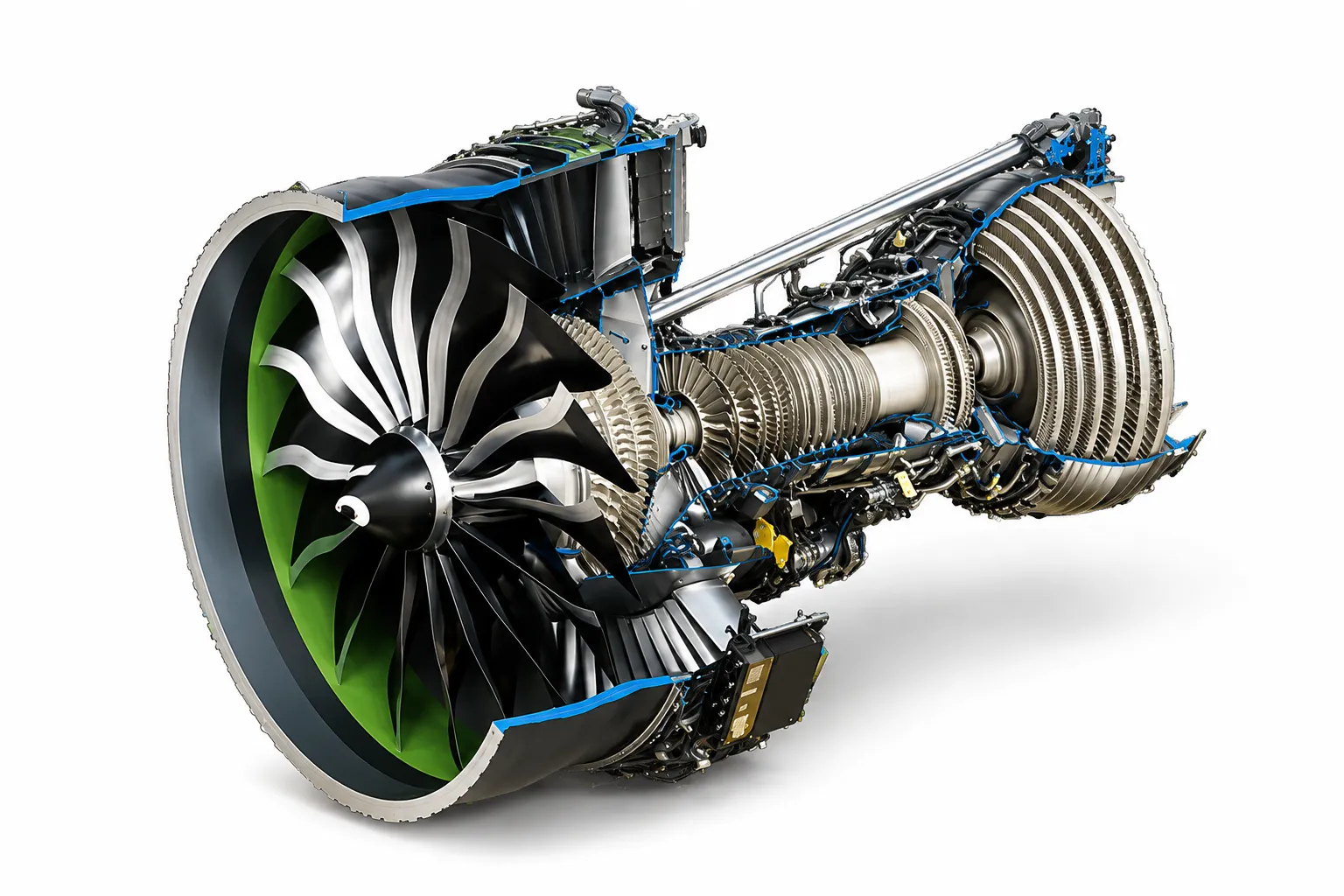
GE9X engine by GE Aerospace. Image used for educational purposes.
The IAE V2500 is a two-spool turbofan engine developed for narrowbody aircraft. It became widely known for powering the Airbus A320ceo family, and it has also been used on aircraft such as the Boeing MD-90 and, in a specific version, the Embraer C-390 Millennium.
The V2500 combines a mature architecture, modular design, digital engine control, and strong operational reliability. Its V2500Select-One™ evolution brought improvements in fuel burn, time on wing, and operating costs, helping keep the engine relevant across large fleets for decades.
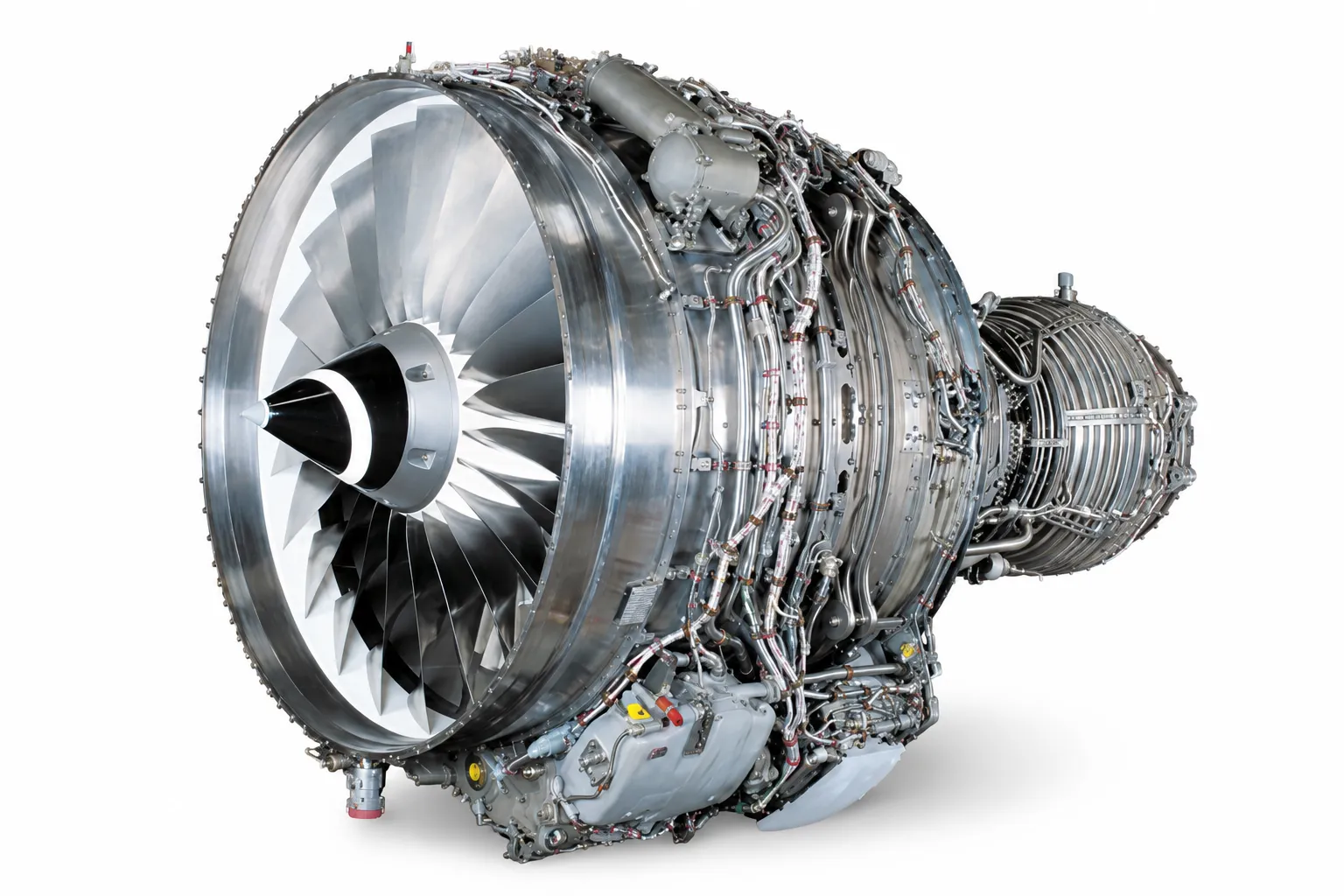
IAE V2500 engine. Image used for educational purposes.
The GE CF6 is one of the most important turbofan engine families in the history of widebody commercial aviation. Developed by GE Aerospace, it has powered aircraft such as the Boeing 747, Boeing 767, McDonnell Douglas DC-10, MD-11, Airbus A300, Airbus A310, and Airbus A330.
With a long operational history, the CF6 became a reference for reliability, technical maturity, and maintenance support. Its different variants allowed it to serve medium- and long-haul commercial aircraft, as well as military applications such as the F138 engine used on the C-5M Super Galaxy.
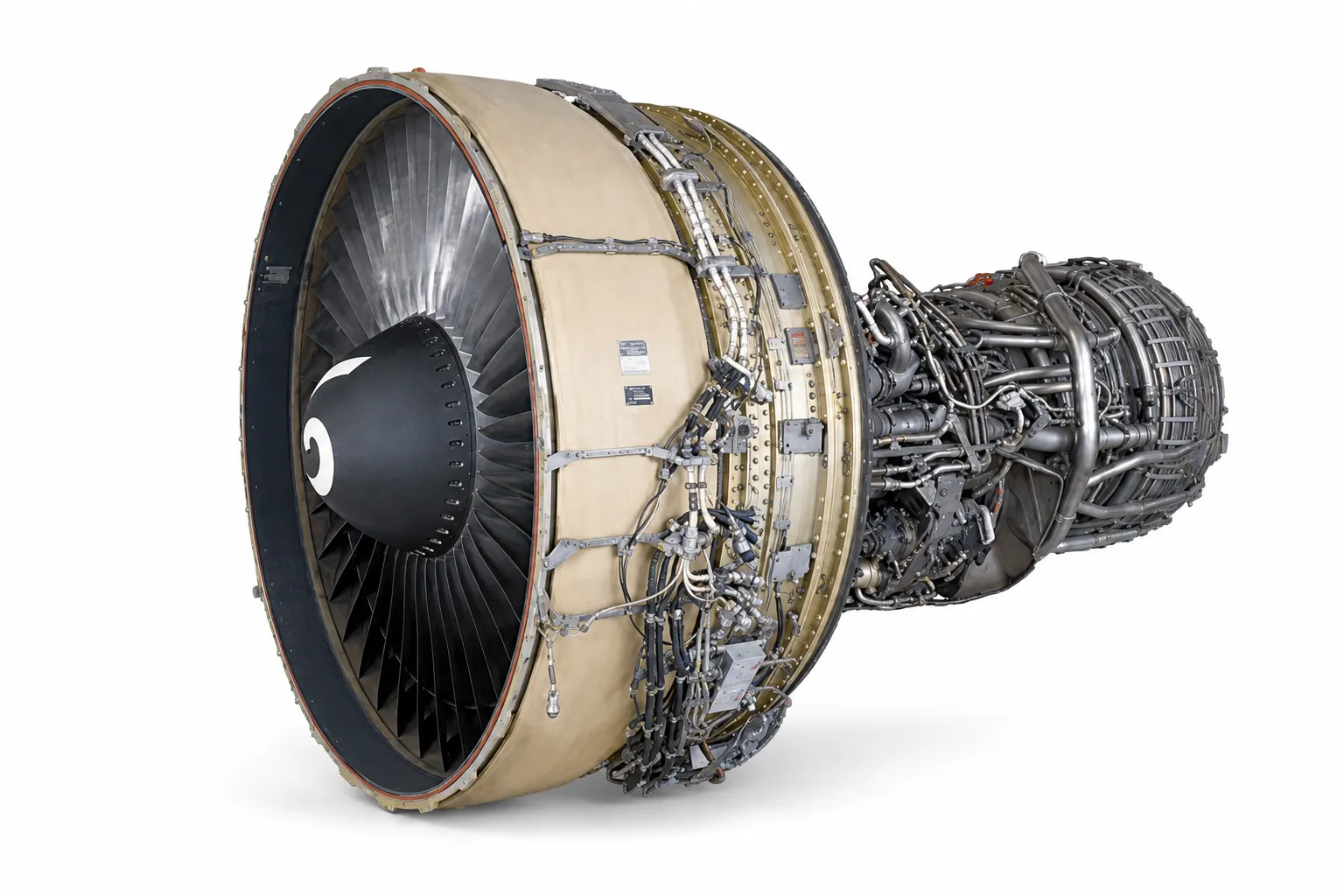
GE Aerospace CF6 engine. Image used for educational purposes.
The CFM56 is a turbofan engine family developed through the partnership between GE Aerospace and Safran Aircraft Engines under CFM International. It became one of the most widely used engine families in commercial aviation, powering aircraft such as the Boeing 737 Classic, Boeing 737 Next Generation, Airbus A320ceo family, and Airbus A340-200/-300.
Its reputation was built on reliability, global fleet presence, and strong maintenance support. Even with the newer LEAP family now in service, the CFM56 remains highly important because of the large number of aircraft still operating with this engine around the world.
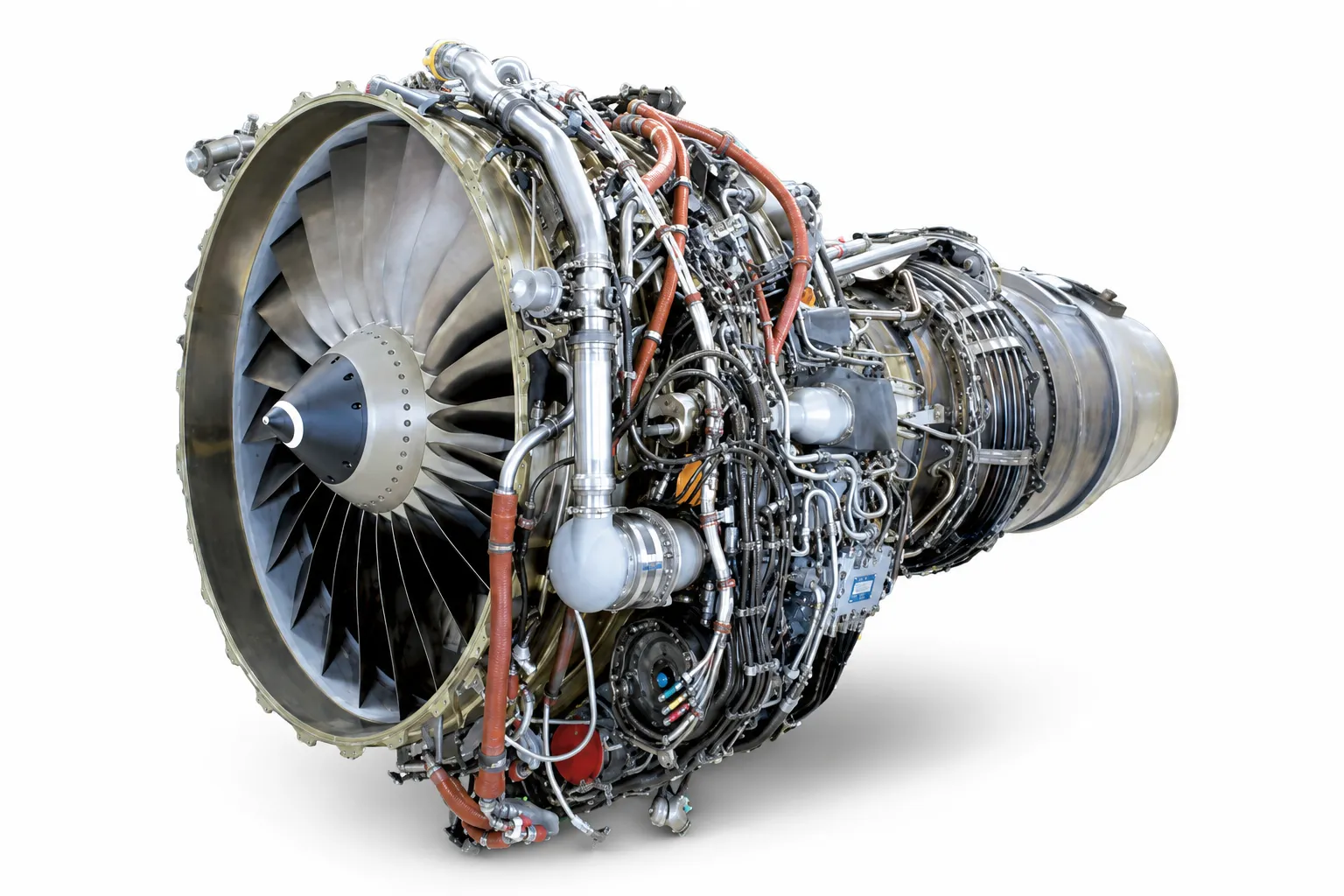
CFM56 engine. Image used for educational purposes.
The GE90, developed by GE Aerospace, became famous for its size, power, and technical innovation. The GE90-110B and GE90-115B versions were developed for long-range Boeing 777 aircraft, including the Boeing 777-200LR, 777-300ER, and 777-200F.
The GE90-115B became one of the most powerful commercial aircraft engines ever placed into service. It introduced important technologies such as composite fan blades, a high bypass ratio, high overall pressure ratio, and advanced turbine components, helping pave the way for later engines such as the GE9X.
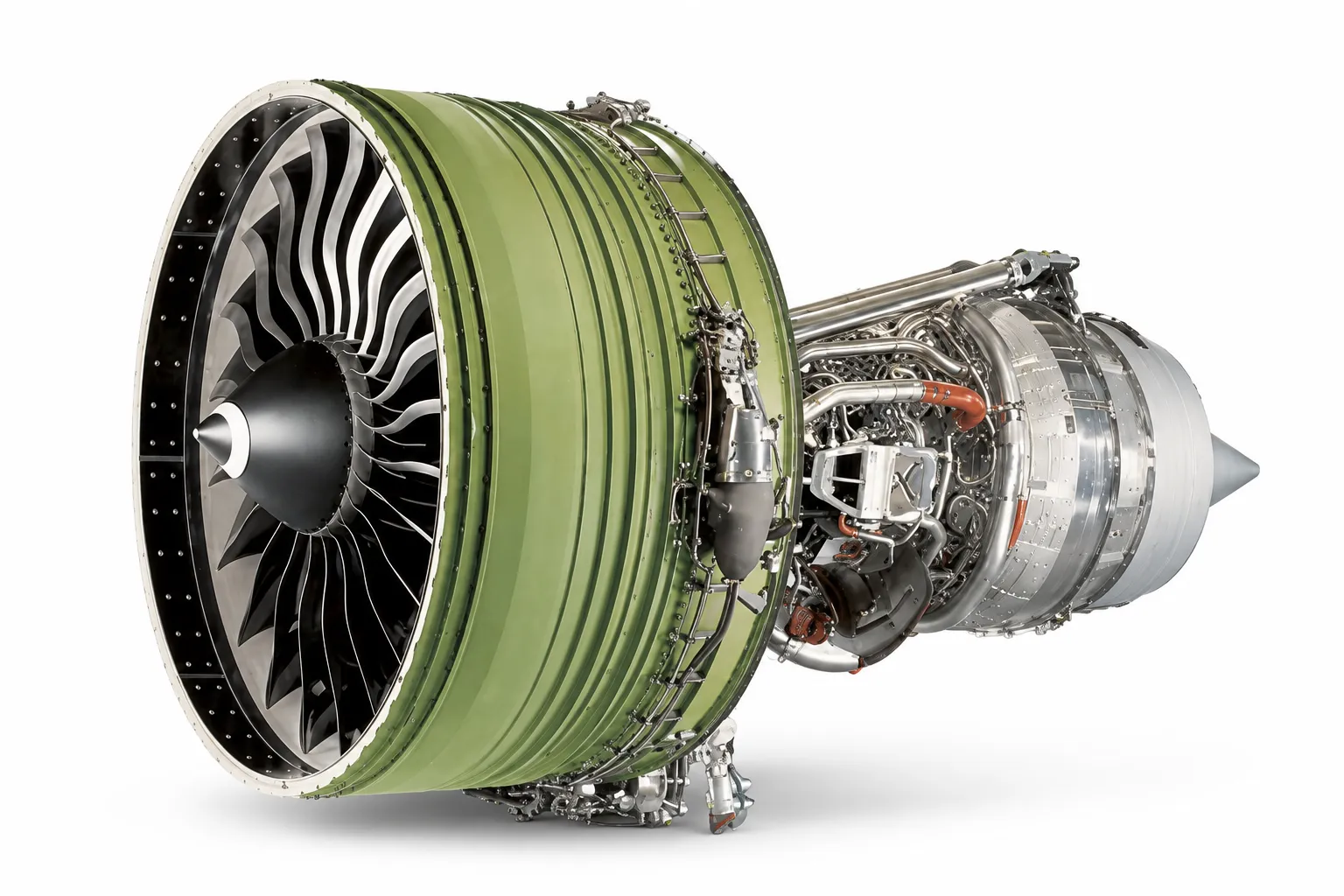
GE90 engine by GE Aerospace. Image used for educational purposes.