Aircraft systems are groups of equipment, components, and technologies that allow an aircraft to operate safely, efficiently, and under control. Each system has a specific function, but they all work together to support operation, control, comfort, communication, navigation, safety, and technical support during flight.
In general, these systems can be organized into two major groups: the aircraft’s mechanical and operational systems, which include physical structures, hydraulic, electrical, pneumatic, environmental, and functional resources; and avionics systems, which include the electronic, digital, and computer-based equipment used for navigation, communication, monitoring, indication, and flight management.
Aircraft systems are groups of equipment, components, and technologies that allow an aircraft to operate safely, efficiently, and under control. Each system has a specific function, but they all work together to support operation, control, comfort, communication, navigation, safety, and technical support during flight.
In general, these systems can be organized into two major groups: the aircraft’s mechanical and operational systems, which include physical structures, hydraulic, electrical, pneumatic, environmental, and functional resources; and avionics systems, which include the electronic, digital, and computer-based equipment used for navigation, communication, monitoring, indication, and flight management.
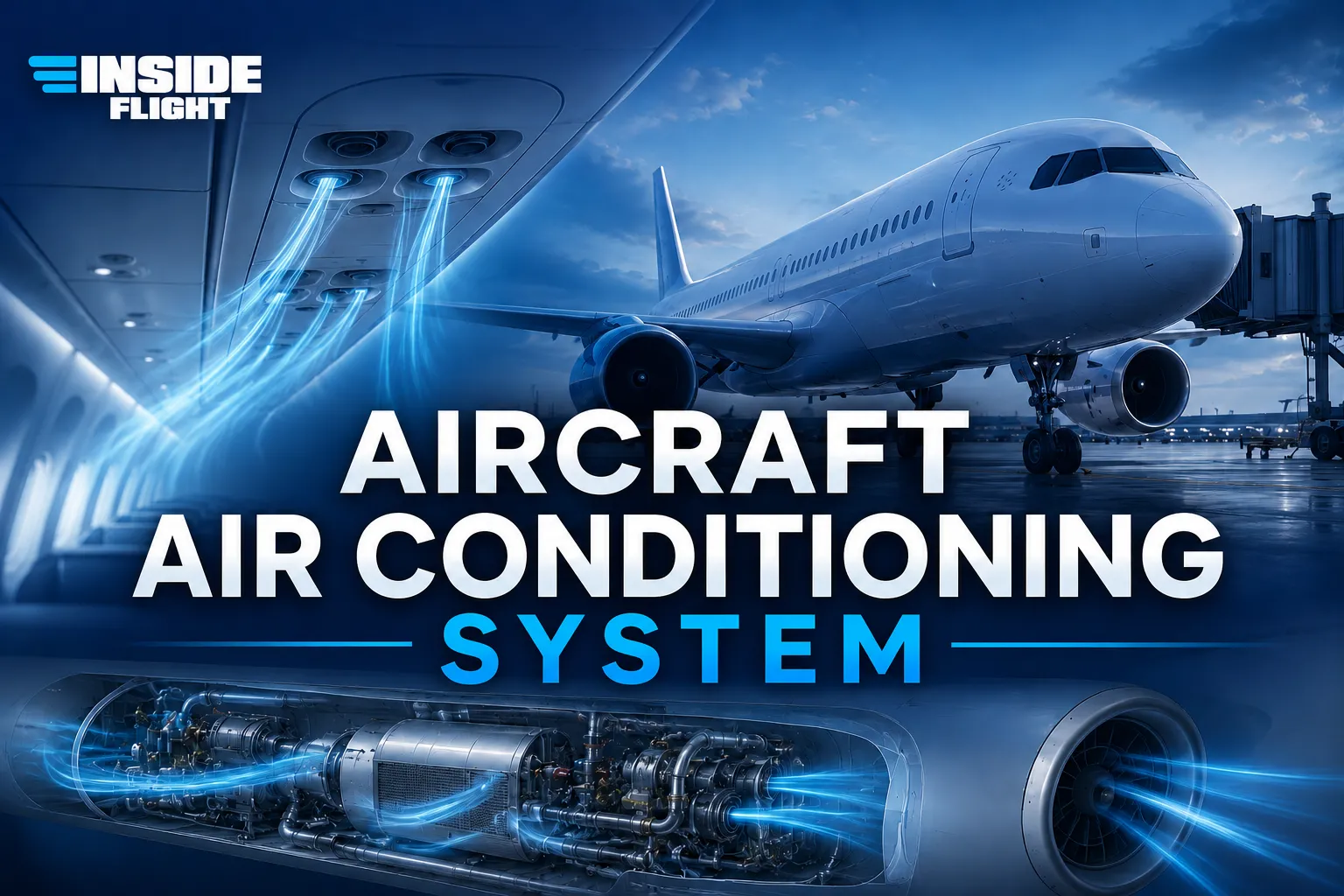
The air conditioning system controls the temperature, ventilation, and air quality inside the aircraft. It helps maintain comfort for passengers and crew members, while also contributing to the proper operation of internal equipment and the climate control of the cabin and cockpit.
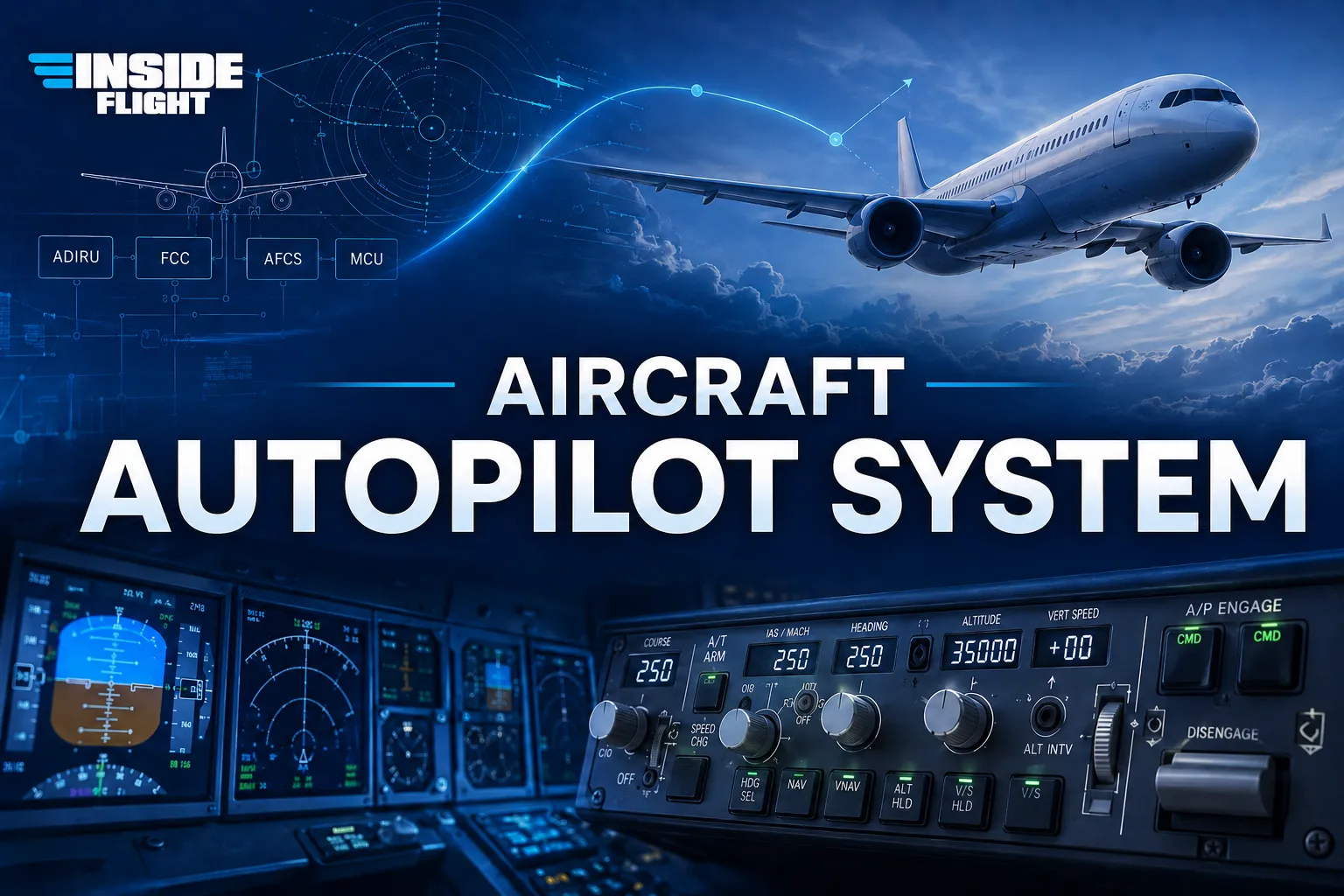
The autopilot system assists the flight crew in controlling the aircraft by following parameters set by the pilots. It can support functions such as altitude, speed, heading, navigation, and approach, reducing crew workload and improving precision during certain phases of flight.
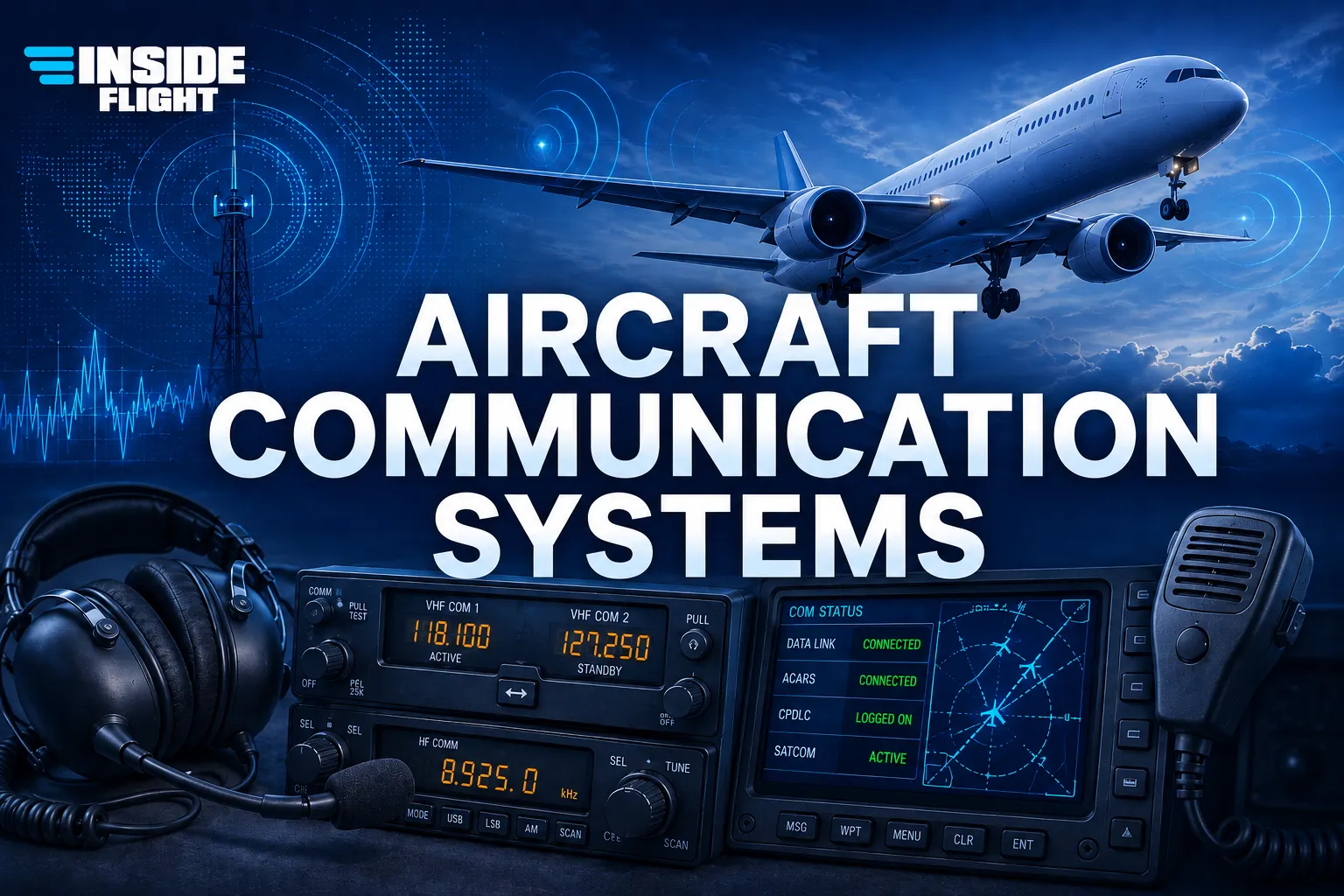
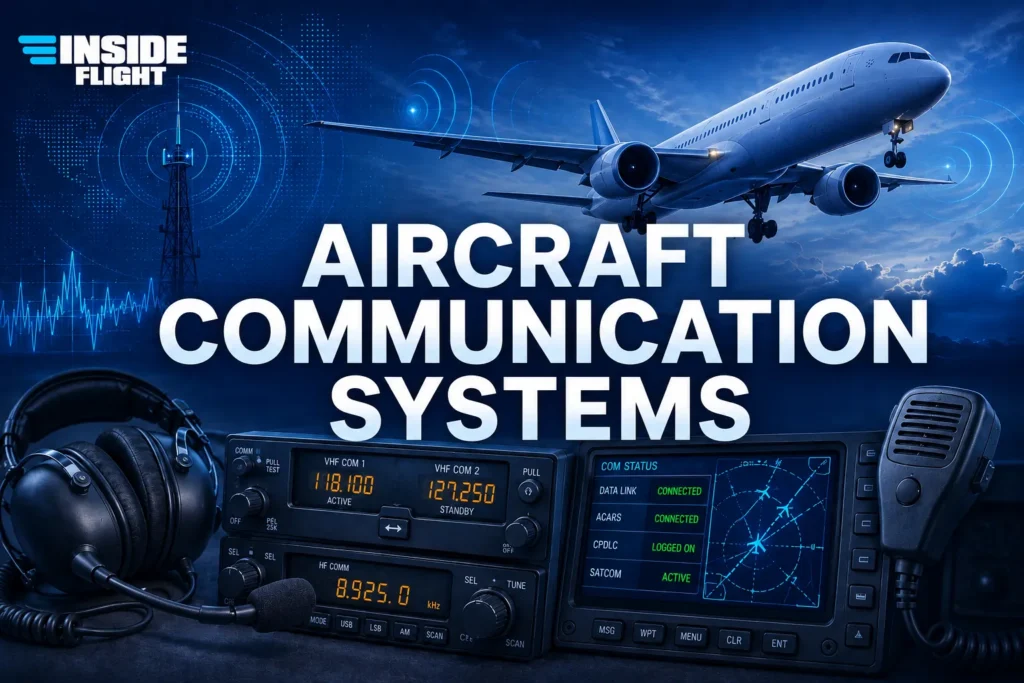
The communication system allows information to be exchanged between the aircraft, air traffic control, other aircraft, and ground stations. It uses radios, antennas, and specific equipment to ensure clear, reliable, and appropriate communication during operation.
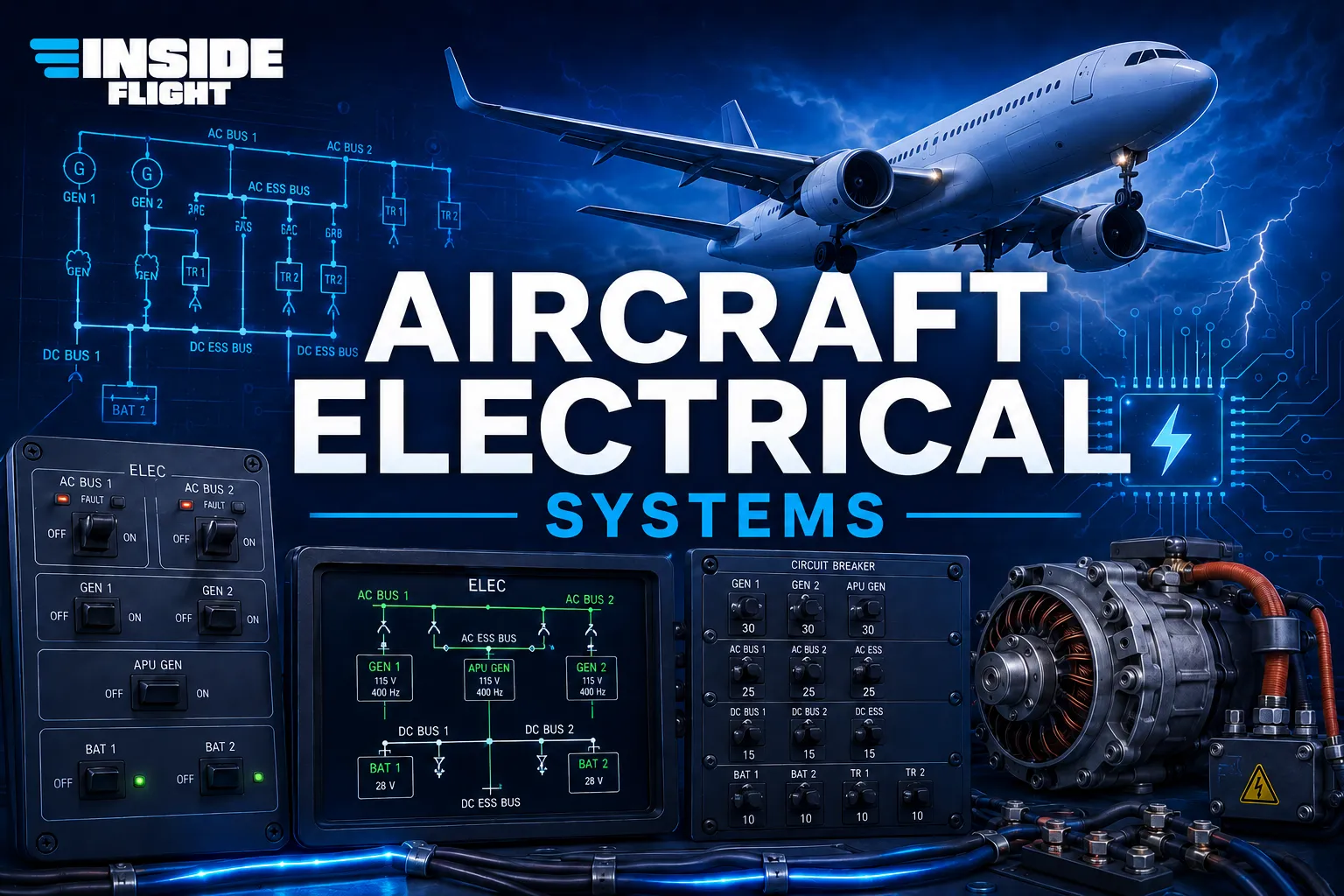
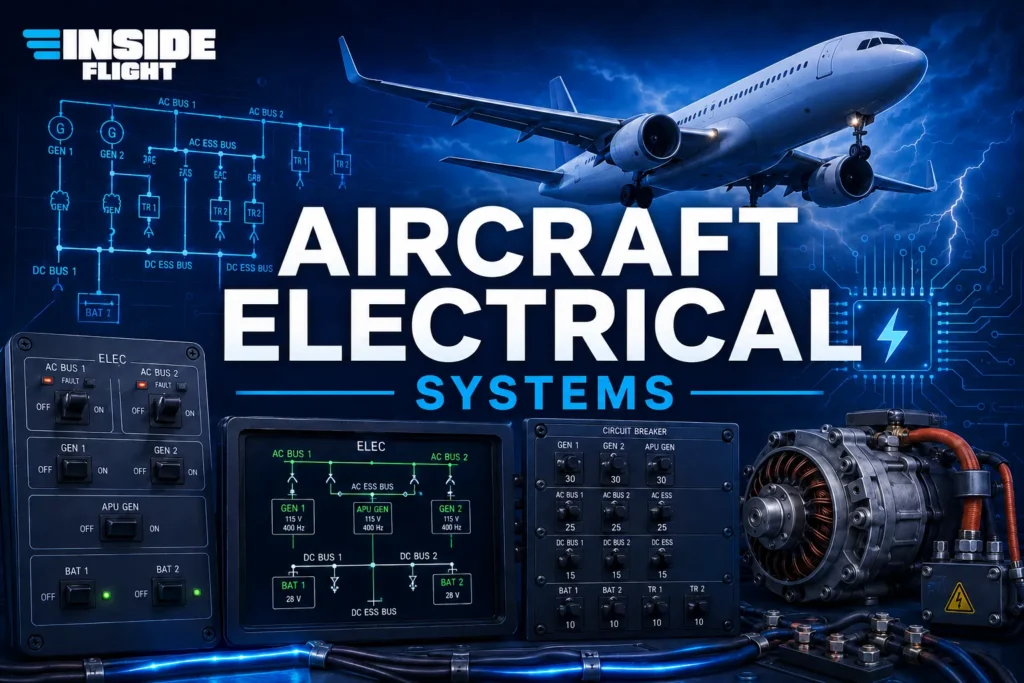
The electrical system supplies power to several aircraft components, such as instruments, lights, navigation systems, communication systems, electronic controls, computers, and cabin equipment. This power can be generated by the engines, the APU, batteries, or external ground power sources.
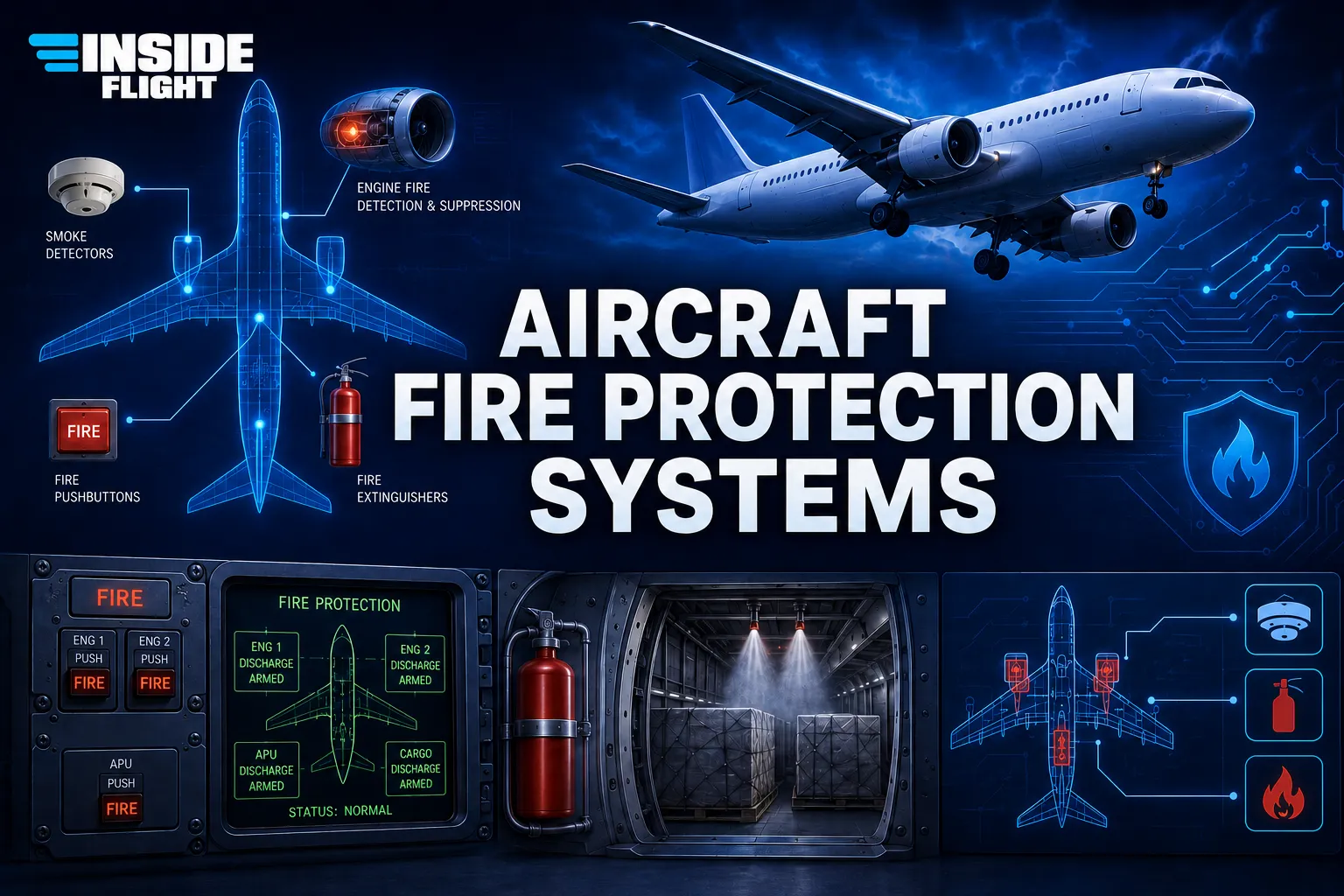
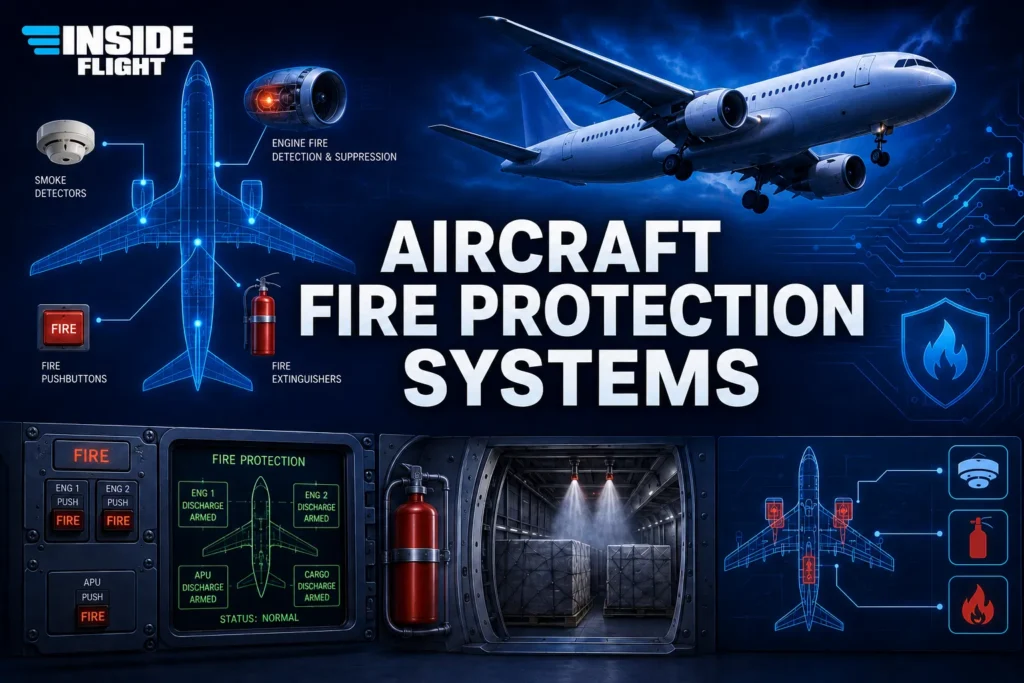
The fire protection system detects, alerts, and may help suppress fires in critical areas of the aircraft, such as the engines, APU, cargo compartments, and other sensitive zones. It is essential for operational safety and for a fast response in emergency situations.
The flight control system allows the aircraft’s attitude, direction, and flight path to be controlled. It includes surfaces such as ailerons, rudder, elevator, spoilers, flaps, and slats, which may be operated by mechanical, hydraulic, electrical, or electronic systems, depending on the type of aircraft.
The fuel system stores, distributes, and controls the supply of fuel to the engines and, in some cases, to the APU. It includes tanks, pumps, valves, lines, sensors, and measurement systems that help ensure proper fuel delivery during all phases of flight.
The hydraulic system uses pressurized fluid to operate components that require significant force, such as the landing gear, brakes, flight controls, thrust reversers, and other mechanisms. It is one of the most important systems for the operation, movement, and control of many parts of the aircraft.
The ice protection system prevents or removes ice buildup on critical parts of the aircraft, such as the wings, engine air inlets, windshields, probes, and sensors. It may use hot air, electrical heating, or other methods to preserve safety and aerodynamic performance.
Indication and recording systems present important information to the pilots and record aircraft data. They may display engine parameters, fuel information, altitude, airspeed, pressurization, alerts, and technical information used for monitoring, operation, and later analysis.
The landing gear system supports the aircraft on the ground and allows taxiing, takeoff, and landing. It includes wheels, tires, shock absorbers, brakes, actuators, doors, and extension and retraction mechanisms.
The lighting system includes the aircraft’s external and internal lighting. External lights assist with navigation, identification, landing, and ground safety, while internal lights serve the cabin, cockpit, panels, compartments, and service areas.
The navigation system helps determine the aircraft’s position and follow planned routes. It may use GPS, inertial systems, radio navigation equipment, onboard computers, and cockpit-integrated instruments to guide the flight accurately.
The oxygen system supplies oxygen to crew members and passengers in specific situations, such as a loss of pressurization or an operational need. It may include masks, cylinders, chemical oxygen generators, and distribution systems.
The pneumatic system uses compressed air to support different aircraft functions. This air may be used for air conditioning, pressurization, engine starting, ice protection, and other systems, depending on the aircraft model.
The water system stores and distributes potable water for onboard use. It mainly serves lavatories, galleys, and service areas, using tanks, pumps, pipes, valves, and dedicated controls.
The lavatory system manages the use and disposal of aircraft sanitary waste. It includes tanks, valves, lines, suction or vacuum systems, and components responsible for the operation and cleaning of the system.
The cabin system includes features designed for passenger and crew comfort, communication, and safety. It may include lighting, passenger call systems, audio announcements, panels, entertainment, seats, internal controls, and onboard service features.
The onboard maintenance system helps monitor the aircraft’s technical condition. It may record faults, messages, parameters, and events, helping maintenance teams identify problems, monitor system status, and plan maintenance actions.
The information system brings together operational, technical, and navigation data used by the flight crew and other aircraft systems. It supports decision-making, flight monitoring, and the management of operational conditions.
The inert gas system reduces the risk of combustion in areas such as fuel tanks. It works by lowering the concentration of oxygen inside the tanks, making the environment less favorable for the formation of a flammable mixture.
Auxiliary power, usually provided by the APU, allows the aircraft to generate electrical power and pneumatic air when the main engines are shut down or during certain operating conditions. It can be used for engine starting, air conditioning, and powering systems on the ground or in flight.
Fly-by-wire is an electronic flight control system. Instead of using purely mechanical commands, the pilot’s control inputs are sent to computers, which interpret those commands and move the aircraft’s flight control surfaces.
Antennas allow communication, navigation, and data exchange between the aircraft, satellites, ground stations, and other systems. Probes collect external information, such as airspeed, pressure, temperature, and angle of attack, which is essential for flight instruments.
Integrated Modular Avionics brings several electronic functions together into shared computer modules. Instead of each system having its own isolated equipment, multiple functions can be processed within an integrated architecture, reducing weight, volume, and complexity.
EFIS replaces traditional analog instruments with electronic cockpit displays. It presents information such as aircraft attitude, altitude, airspeed, route, navigation, and flight data in a visual, organized, and integrated way.
ECAM is a system used to monitor and display information about the aircraft’s systems. It shows alerts, procedures, and operational parameters, helping the flight crew identify and manage failures.
EICAS displays engine information and alert messages for the flight crew. It shows parameters such as rotation speed, temperature, pressure, fuel, and alerts related to aircraft operation.
The FMS is a flight management computer that helps plan and execute the route. It integrates navigation, performance, fuel, and flight path data, helping the aircraft follow the flight plan efficiently.
GPS uses satellite signals to determine the aircraft’s position. It is widely used in air navigation, improving route accuracy, approaches, and position monitoring during flight.
IRS provides aircraft attitude, position, speed, and direction information through inertial sensors. It does not depend directly on external signals, making it important for navigation and for stable flight data.
INS is a navigation system that calculates the aircraft’s position using internal sensors, such as accelerometers and gyroscopes. It can estimate movement, direction, and displacement even without continuous support from external signals.
TCAS monitors nearby aircraft and alerts pilots about possible traffic conflicts. In critical situations, it can issue climb or descent instructions to help avoid midair collisions.
ACARS allows automatic message exchange between the aircraft and ground stations. It can transmit operational information, maintenance data, flight plan details, company messages, and technical aircraft records.