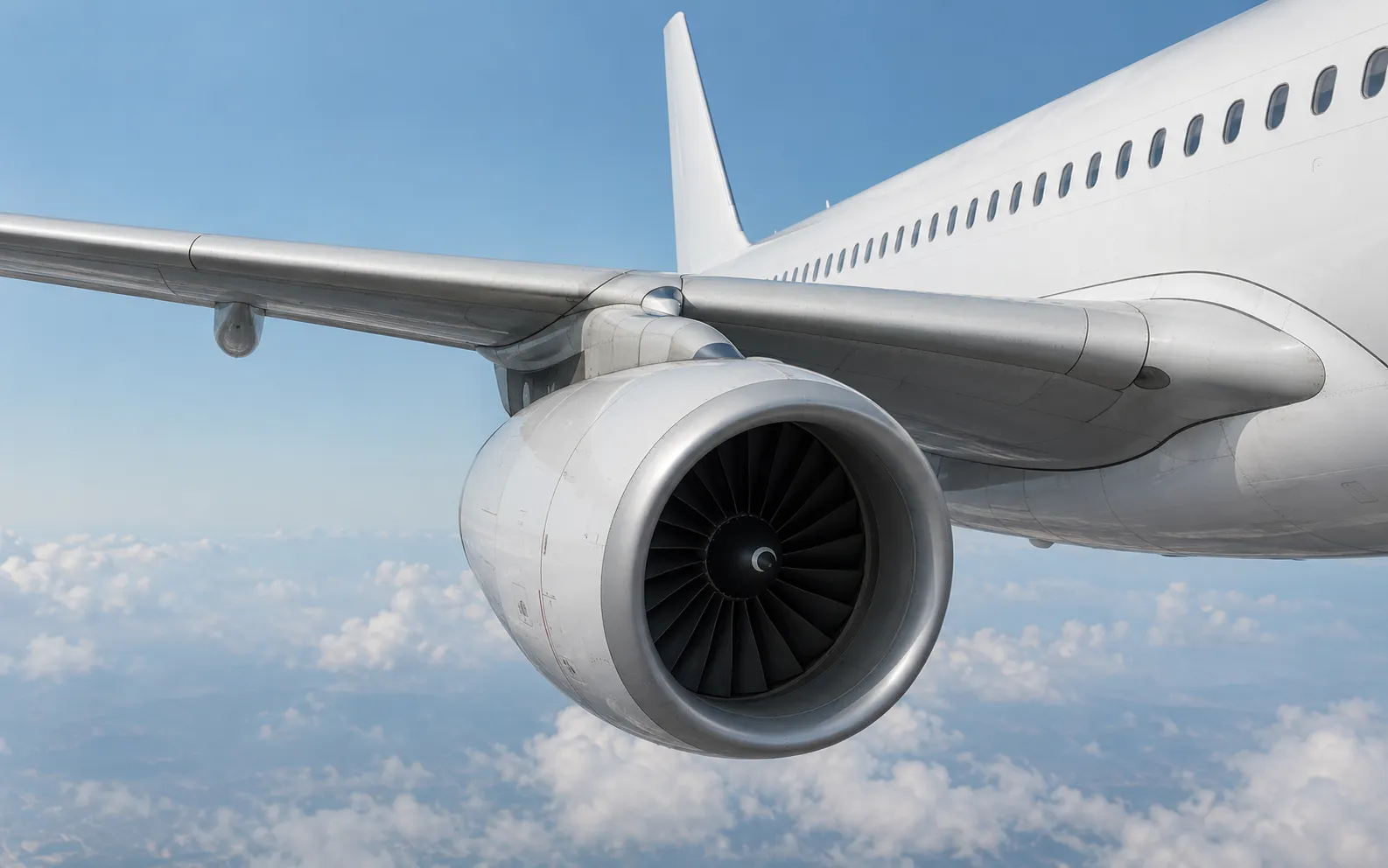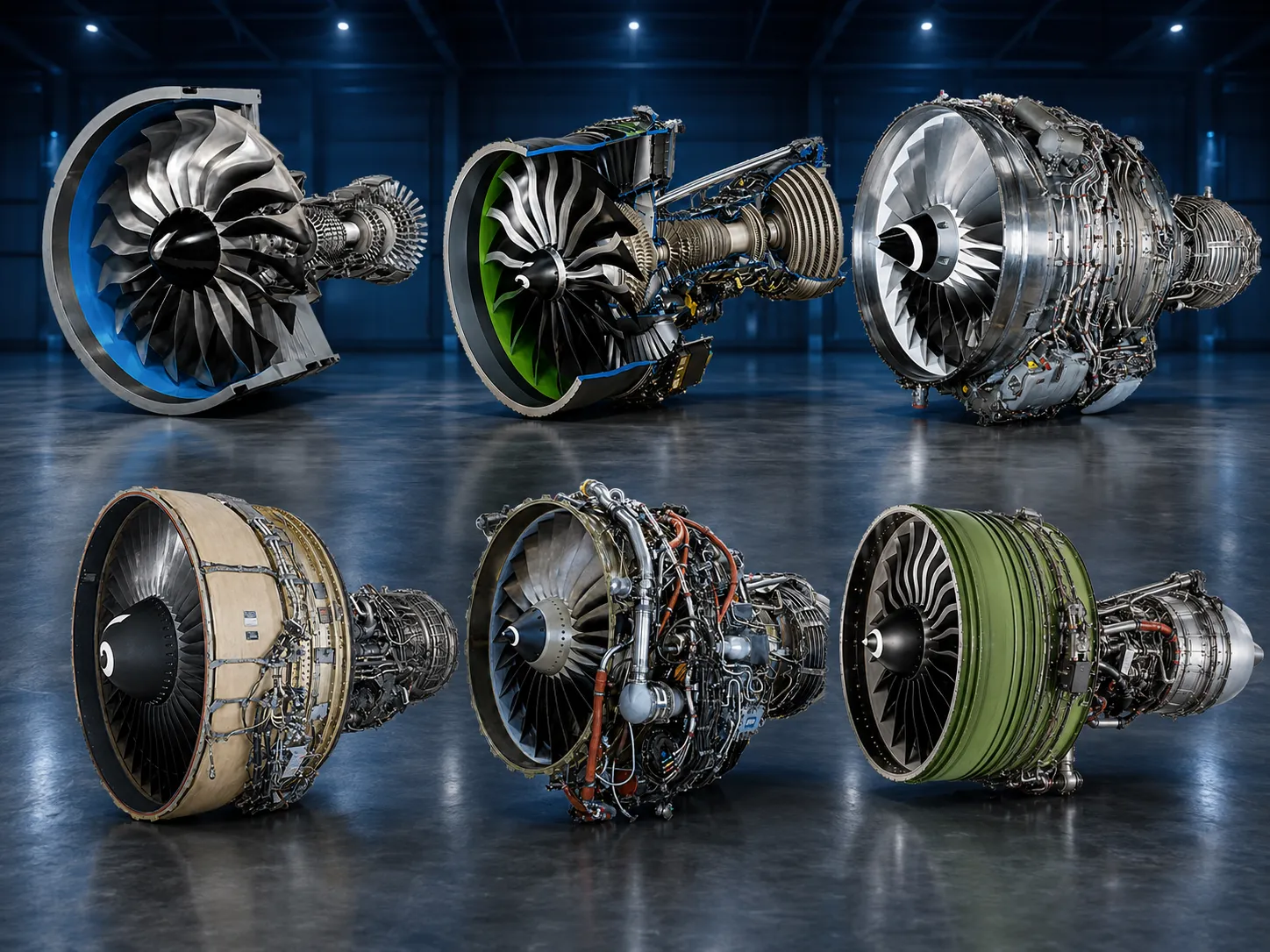
The PW2000 family, developed by Pratt & Whitney, is a turbofan engine family used in both commercial and military applications. MTU Aero Engines has worked in cooperation with Pratt & Whitney on this program since 1979, contributing to the development and manufacturing of important engine components.
In commercial aviation, the PW2000 became closely associated with the Boeing 757, a narrowbody aircraft designed for medium- and long-range operations. In the military sector, a derivative version of the engine, designated F117-PW-100, is used on the Boeing C-17 Globemaster III strategic military transport aircraft.
One major milestone in this program is that the low-pressure turbine developed by MTU for the PW2000 was the first LPT the company independently developed for a commercial application. This marked an important step in MTU’s growth within the commercial aircraft engine market.
The PW2000 is a two-spool turbofan engine positioned in the 37,500 to 43,000 lbf thrust range. This category allowed it to power medium-size commercial aircraft capable of operating longer routes, as well as versions adapted for heavy military transport missions.
As a turbofan, the PW2000 uses a front fan to move air through the engine. Part of this airflow enters the engine core, where it goes through compression, combustion, and expansion through the turbines. The remaining airflow moves through the bypass duct, helping generate thrust more efficiently and with lower noise compared with older engine architectures.
In simple terms: the PW2000 is a medium- to high-thrust turbofan used on the Boeing 757 and, in its military F117 version, on the C-17 Globemaster III. It was also a milestone because it was the first commercial engine equipped with full digital engine control.
| Parameter | Value |
|---|---|
| Maximum thrust | 43,000 lbf |
| Bypass ratio | 6:1 |
| Overall pressure ratio | 30:1 |
| Length | 11.8 ft, approximately 3.60 m |
| Fan diameter | 6.6 ft, approximately 2.01 m |
| Weight | 7,299 lb, approximately 3,311 kg |
| Entry into service | 1984 |
The PW2000 incorporated technologies that were important for its time, including full digital engine control, new aerodynamic airfoil profiles, advanced materials, and an optimized combustor configuration. These solutions were intended to improve efficiency, reliability, and maintainability.
| Technology | Description and benefit |
|---|---|
| Active clearance control | Dynamic adjustment of clearances between blades and casing to improve engine efficiency. |
| New aerodynamic profiles | Optimized blade designs to improve airflow and internal performance. |
| New materials | Use of advanced materials to reduce weight and improve durability. |
| New combustor configuration | Optimized design for efficient combustion and lower emissions. |
| Modular design | Configuration that supports easier maintenance, inspection, and module replacement. |
| FADEC | First commercial engine with Full Authority Digital Engine Control, allowing complete digital management of engine operating parameters. |
| On-condition maintenance | Maintenance strategy that allows the engine to remain in operation until specific indicators show that service is required. |
The commercial version of the PW2000 was used on the Boeing 757, a narrowbody aircraft capable of medium- and long-range operations. The engine was designed to provide efficiency, reliability, and the thrust required for the 757’s operating profile.
The F117-PW-100 is the military version derived from the PW2000, used on the Boeing C-17 Globemaster III. This application requires adaptations for strategic military airlift missions, including different mission profiles, high reliability, and specialized logistics support.
| Aircraft | Engine version | Note |
|---|---|---|
| Boeing 757 | PW2000 | Narrowbody commercial aircraft for medium- and long-range operations. |
| Boeing C-17 Globemaster III | F117-PW-100 | Strategic military transport aircraft. |
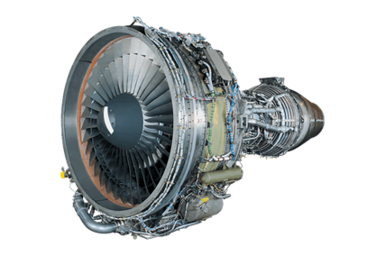
PW2000 engine by Pratt & Whitney. Image used for educational purposes.
MTU Aero Engines has participated in the PW2000 program since 1979, with a 21.2% program share. The company is mainly involved in the development and manufacturing of the low-pressure turbine and turbine exit case, while also supplying additional components for other engine sections.
| Parameter | Details |
|---|---|
| Partnership start | 1979. |
| Program share | 21.2%. |
| Components under responsibility | Low-pressure turbine and turbine exit case. |
| Work scope | Development and manufacturing. |
The PW2000 low-pressure turbine has major historical significance for MTU because it was the first LPT independently developed by the company for a commercial application. This component extracts energy from the exhaust gas flow to drive the engine’s low-pressure system.
| Aspect | Details |
|---|---|
| Historical significance | First low-pressure turbine independently developed by MTU for a commercial application. |
| Components | Blades, disks, stators, and associated structures. |
| Work scope | Development and manufacturing of various turbine parts. |
In addition to the low-pressure turbine, MTU also participates in the manufacturing of additional PW2000 components, covering structural areas, turbines, the compressor, and the diffuser/combustion chamber module.
| Component | Details |
|---|---|
| Turbine exit case | Development and manufacturing. |
| High-pressure turbine parts | Component manufacturing. |
| High-pressure compressor parts | Component manufacturing. |
| Diffuser/combustion chamber module components | Manufacturing of components associated with airflow and combustion. |
The F117-PW-100 military version, used on the Boeing C-17 Globemaster III, also receives technical and logistics support related to MTU’s role. This application highlights the versatility of the PW2000 family in both civil and military environments.
| Aspect | Details |
|---|---|
| Application | Boeing C-17 Globemaster III, powered by the F117-PW-100. |
| Work scope | Technical and logistics support. |
| Note | MTU continues to support the military application of the engine. |
The PW2000 occupies a distinctive position because it serves both the commercial and military markets. In civil aviation, it is associated with the Boeing 757. In the military sector, its F117 version powers the C-17 Globemaster III.
| Segment | Details |
|---|---|
| Narrowbody commercial aircraft | Boeing 757 in medium- and long-range operations. |
| Military transport aircraft | Boeing C-17 Globemaster III. |
| Thrust | 37,500 to 43,000 lbf. |
| Differentiator | Details |
|---|---|
| First commercial engine with FADEC | Pioneering use of full digital engine control in commercial applications. |
| Advanced technology for its time | New aerodynamic profiles, improved materials, and a new combustor configuration. |
| Versatility | Application in both the commercial and military sectors. |
| Reliability | Proven over decades of operation. |
| Modular design | Easier maintenance and reduced intervention time. |
The PW2000 program was led by Pratt & Whitney, with industrial participation from MTU Aero Engines and other partners. MTU’s involvement in this program marked an important stage in the company’s evolution within the commercial engine market.
| Partner | Note |
|---|---|
| Pratt & Whitney | Program leader, responsible for engine development, marketing, and integration. |
| GKN Aerospace | Participant in the program and industrial supply chain. |
| MTU Aero Engines | 21.2% program share, with development and manufacturing of engine components. |
The PW2000 entered service in 1984 and has accumulated more than 40 years of operation. This longevity reflects its importance in commercial and military aviation history, especially through its use on the Boeing 757 and the F117-powered C-17.
| Aspect | Details |
|---|---|
| Entry into service | 1984. |
| Time in operation | More than 40 years of service. |
| Fleet | Boeing 757 and Boeing C-17 Globemaster III aircraft. |
Boeing 757 production has ended, but many aircraft remain in operation, especially with cargo airlines and specialized operators. The C-17 fleet also remains active with air forces in several countries.
| Aspect | Details |
|---|---|
| Boeing 757 production | Ended. |
| 757 fleet | Still significant in commercial, cargo, and specialized operations. |
| C-17 fleet | In active service with air forces in several countries. |
| MRO demand | Continued support for the existing fleet. |
Because part of the Boeing 757 and C-17 fleets is expected to remain operational for many years, demand for technical support, spare parts, and maintenance will remain relevant. This is especially important for cargo and military transport aircraft, which often have long service lives.
The sustainability outlook for the PW2000 is linked to efficient maintenance of the existing fleet, safe life-extension support, and compatibility with sustainable aviation fuels, commonly known as SAF.
The PW2000 represents an important milestone in the evolution of commercial turbofan engines, especially because it was the first commercial engine equipped with full digital engine control through FADEC. This feature helped modernize electronic engine management in aviation.
MTU Aero Engines’ participation in the development of the low-pressure turbine marked a major moment for the company, as it was MTU’s first independently developed LPT for a commercial application.
Even as a mature engine family, the PW2000 remains relevant because of its presence on Boeing 757 and C-17 aircraft that continue to operate. Its technical and logistics support remains essential to keeping these fleets available, safe, and economically viable.