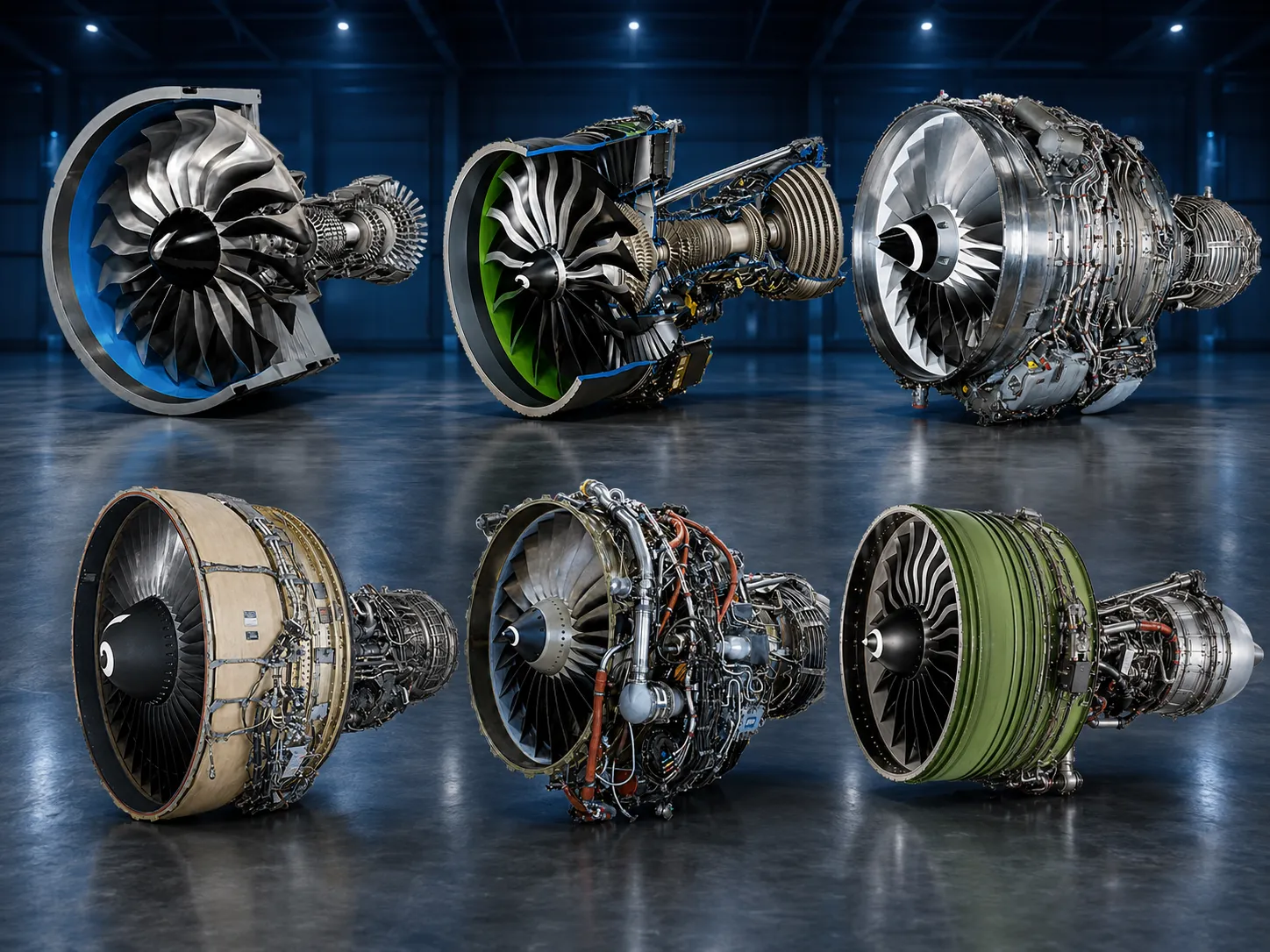
The PW800, developed by Pratt & Whitney Canada, is part of the PurePower® family and was designed primarily for the long-range business jet segment. The engine combines fuel efficiency, lower emissions, reduced noise, and lower operating costs, all of which are essential for modern high-performance aircraft.
Although the PW800 is mainly associated with business aviation, its technology is also relevant to regional aircraft and smaller commercial platforms. Its architecture uses advanced materials, modern design methods, and optimized aerodynamics to deliver strong performance with high operational reliability.
The engine incorporates core technologies associated with the Pratt & Whitney GTF™ family, using knowledge gained from modern high-efficiency engine development. In the PW800, this technology base is adapted to the business aviation segment, where performance, availability, low noise, and efficient maintenance are key operating factors.
The PW800 is a two-spool turbofan engine positioned in the 10,000 to 20,000 lbf thrust range. This places it in a category suitable for large business jets and aircraft designed for medium- and long-range operations.
As a modern turbofan, the PW800 uses a front fan to move a large volume of air. Part of this air enters the engine core, where it is compressed, mixed with fuel, burned, and expanded through the turbines. The remaining airflow moves through the bypass duct, helping generate thrust with greater propulsive efficiency.
In simple terms: the PW800 is a modern Pratt & Whitney Canada turbofan developed for advanced business jets, with a focus on efficiency, low noise, low emissions, and easier maintenance.
| Parameter | Value |
|---|---|
| Thrust range | 10,000 to 20,000 lbf |
| Configuration | Two-spool turbofan |
| Technology family | PurePower® / core technology associated with the Pratt & Whitney GTF™ family |
| Entry into service | 2018 |
The PW800 was developed with strong emphasis on efficiency, lower noise, and maintainability. Several of its components were designed to reduce maintenance needs, improve engine access, and increase durability in demanding business jet operations.
| Component | Description and benefit |
|---|---|
| Single-piece fan | High-efficiency, low-maintenance component with improved noise and vibration characteristics. |
| High-pressure compressor | High-stiffness design with cantilevered stages, optimized for efficiency and durability. |
| High-pressure turbine | Advanced cooling system with active tip clearance control. |
| TALON™ combustor | Low-emissions combustor designed to reduce unburned hydrocarbons and smoke. |
| Access panels | Large bypass duct access panels allow faster and more efficient access to the engine core. |
The PW800 uses core technologies associated with the Pratt & Whitney GTF™ family. This does not mean that it has the same application configuration as all commercial GTF engines, but it does benefit from technical knowledge, materials, design methods, and efficiency-focused solutions developed within that technology ecosystem.
| Aspect | Details |
|---|---|
| Technology origin | Core technology associated with the Pratt & Whitney GTF™ family. |
| Fuel efficiency | Double-digit percentage improvements compared with earlier-generation engines, depending on application. |
| Emissions | Significant reduction in environmental emissions. |
| Noise | Lower engine noise signature. |
| Operating costs | Lower costs over the engine life cycle. |
| Technology | Description |
|---|---|
| Advanced materials | Use of modern materials to reduce weight and improve durability. |
| Advanced design methods | Use of modern computational techniques for aerodynamic and structural optimization. |
| Improved aerodynamics | Optimized airflow design for better efficiency and performance. |
The PW800 powers modern business aircraft, especially large-cabin and long-range models. In this category, the combination of efficiency, reliability, low noise, and technical support is essential for corporate and private operators.
| Aircraft | Note |
|---|---|
| Gulfstream G400 | Large-cabin business jet. |
| Gulfstream G500 | Long-range business jet. |
| Gulfstream G600 | Ultra-long-range business jet. |
| Dassault Falcon 6X | Large-cabin business jet. |
Beyond business jets, the PW800 architecture is technically relevant to regional aircraft and narrowbody applications, considering its thrust range and efficiency characteristics.
| Segment | Note |
|---|---|
| Regional aircraft | Segment under development or consideration, depending on the platform. |
| Narrowbody aircraft | Segment under development or consideration, depending on the application. |
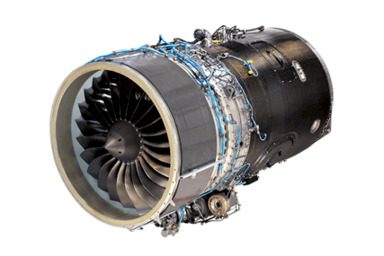
PW800 engine by Pratt & Whitney Canada. Image used for educational purposes.
MTU Aero Engines participates in the PW800 program with a significant development and manufacturing role. Its work is focused mainly on the low-pressure turbine and several stages of the high-pressure compressor.
| Parameter | Details |
|---|---|
| Program share | 15% |
| Components under responsibility | Low-pressure turbine and several stages of the high-pressure compressor. |
| Work scope | Development and manufacturing. |
The low-pressure turbine, or LPT, extracts energy from the exhaust gas flow to drive the engine’s low-pressure system. In the PW800, this component must combine aerodynamic efficiency, thermal resistance, reliability, and precise integration with the rest of the engine architecture.
The high-pressure compressor, or HPC, is one of the most critical areas of the engine because it prepares the airflow for combustion. The efficiency of this module directly affects performance, fuel consumption, and engine operating stability.
In addition to its industrial participation in engine components, maintenance support is an important part of the PW800 life cycle. MTU Maintenance Berlin-Brandenburg in Germany provides full MRO capability for the engine.
| Facility | Location | Start year | Work scope |
|---|---|---|---|
| MTU Maintenance | Berlin-Brandenburg, Germany | 2019 | Full engine MRO. |
The PW800 was developed to deliver important gains in efficiency and lower environmental impact. In the long-range business jet segment, this translates into greater range, lower fuel burn, lower noise, and more competitive operating costs.
| Category | Improvement |
|---|---|
| Fuel consumption | Double-digit percentage improvements, depending on the baseline comparison. |
| Environmental emissions | Significant reduction. |
| Engine noise | Substantial reduction in noise signature. |
| Operating costs | Significant reduction over the life cycle. |
The TALON™ combustor is a low-emissions technology used by Pratt & Whitney. In the PW800, it helps reduce unburned hydrocarbons and smoke while supporting compliance with strict environmental standards.
| Aspect | Details |
|---|---|
| Technology | TALON™, low-emissions combustor. |
| Environmental benefits | Low levels of unburned hydrocarbons and smoke. |
| Compliance | Designed to meet strict emissions standards. |
One relevant feature of the PW800 is easier access to the engine core. Large bypass duct access panels allow maintenance teams to perform inspections and service tasks more quickly, helping reduce aircraft downtime.
| Aspect | Details |
|---|---|
| Core access | Large access panels in the bypass ducts. |
| Benefit | Mechanics can access the engine core quickly and efficiently. |
| Downtime | Reduced due to easier inspection and maintenance access. |
The PW800 is positioned primarily in the long-range business jet segment, where engines must deliver strong performance, quiet operation, reliability, and high-level technical support.
| Segment | Details |
|---|---|
| Long-range business jets | Main application on Gulfstream G400, G500, G600, and Dassault Falcon 6X aircraft. |
| Regional aircraft | Potential or target segment depending on platform development. |
| Narrowbody aircraft | Potential or target segment depending on thrust requirements. |
| Thrust range | 10,000 to 20,000 lbf. |
| Differentiator | Details |
|---|---|
| GTF™ technology | Uses core technology from the GTF ecosystem, proven in modern commercial engine programs. |
| Efficiency | Double-digit percentage improvements in fuel burn, depending on the application. |
| Emissions | Significant reduction supported by the TALON™ combustor. |
| Noise | Lower noise levels for greater passenger comfort and reduced airport impact. |
| Maintainability | Improved engine core access through large access panels. |
| Advanced materials | Lower weight and improved component durability. |
The PW800 program is led by Pratt & Whitney Canada, with significant participation by MTU Aero Engines in important technical components.
| Partner | Note |
|---|---|
| Pratt & Whitney Canada | Program leader, responsible for engine development, marketing, and integration. |
| MTU Aero Engines | 15% program share, with development and manufacturing of the low-pressure turbine and high-pressure compressor stages. |
The PW800 entered service in 2018 and has expanded its presence as new business aircraft equipped with the engine have been delivered. Although it is a relatively recent program compared with older engine families, it already holds an important position in the high-performance business aviation segment.
| Aspect | Details |
|---|---|
| Entry into service | 2018. |
| Time in operation | More than 5 years of service. |
| Fleet | Growing with deliveries of Gulfstream and Dassault aircraft. |
The outlook for the PW800 is tied to growth in the long-range business jet market, the introduction of new platforms, and gradually increasing demand for maintenance, repair, and overhaul services.
The PW800 is also aligned with the sustainability direction of modern aviation, focusing on lower fuel burn, lower emissions, and compatibility with sustainable aviation fuels, commonly known as SAF.
The PW800 represents a sophisticated application of Pratt & Whitney’s modern engine technology in the business jet segment. Its architecture combines efficiency, low noise, reduced emissions, and improved maintainability to meet the demands of high-performance, long-range aircraft.
MTU Aero Engines’ participation in the development and manufacturing of components such as the low-pressure turbine and high-pressure compressor stages demonstrates the importance of industrial partnerships in modern aircraft engine programs.
As the fleet of Gulfstream and Dassault aircraft equipped with the PW800 gradually expands, demand for technical support, MRO, and life-cycle management is expected to grow, reinforcing the engine’s relevance in the business aviation market.