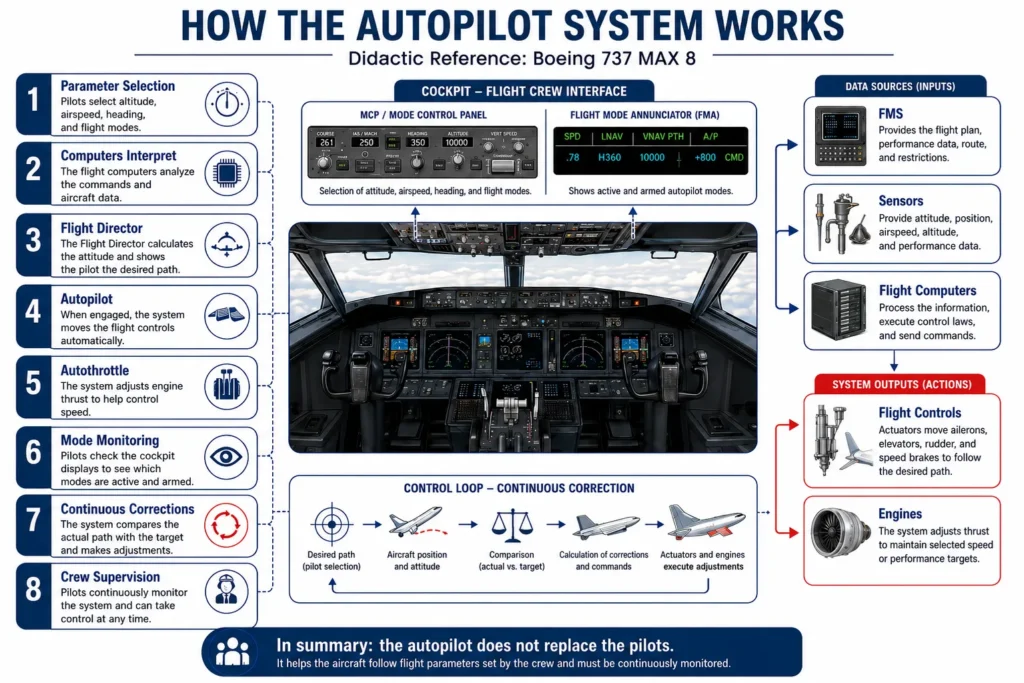
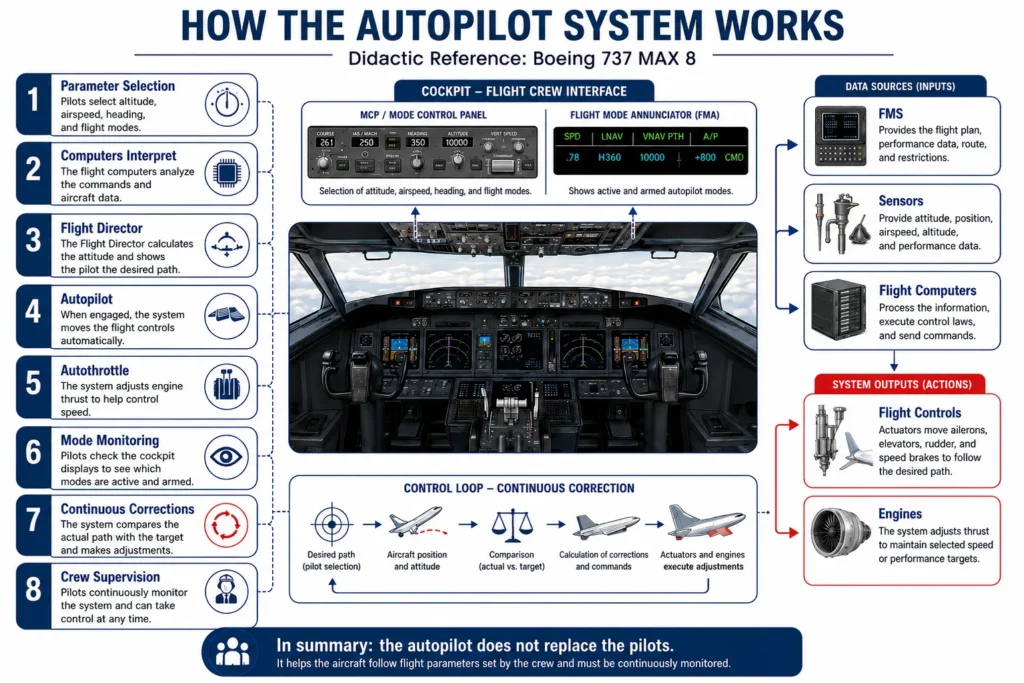
The Flight Director is one of the most important concepts for understanding the system. It does not move the aircraft directly. Instead, it calculates guidance commands and shows the pilot, on the primary flight display, what attitude the aircraft should follow. In simple terms, it provides visual guidance telling the pilot to climb slightly, descend, bank left, bank right, or maintain the flight path.
The autopilot, on the other hand, uses those commands to move the aircraft controls through actuators and servos, maintaining or changing the flight path according to the active modes. In simple terms: the Flight Director provides guidance; the autopilot carries it out. The pilot can fly manually by following the Flight Director bars, or engage the autopilot so the system follows that guidance automatically.
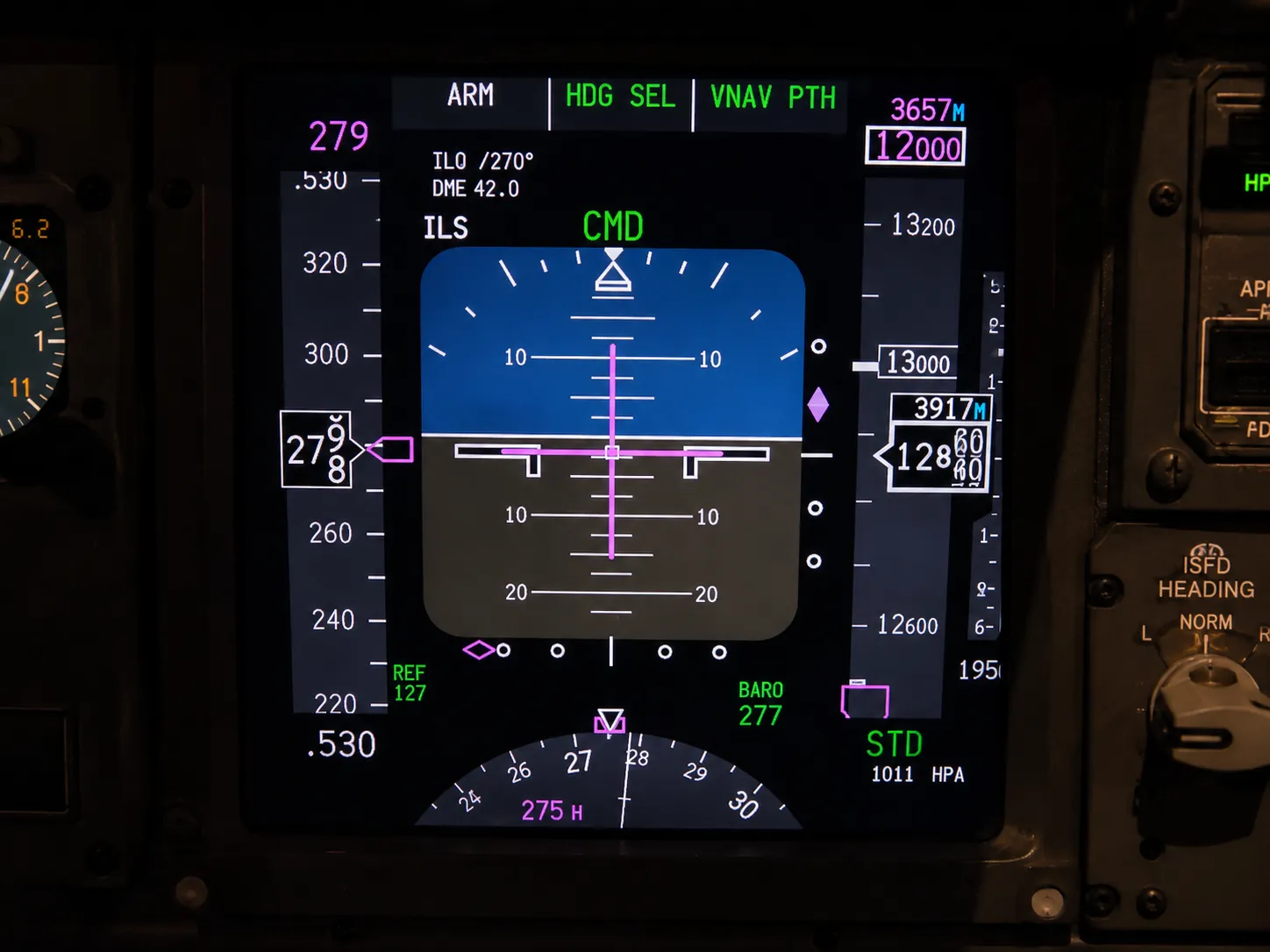
Primary flight display showing Flight Director guidance
In aircraft, automatic flight control is not only about moving flight control surfaces. Engine power also needs to be controlled. This is where the Autothrottle, or automatic throttle system, comes in. It adjusts engine thrust according to the selected mode, the phase of flight, and the targets set by the flight crew or by the flight management system.
The general idea is this: the autopilot can control the aircraft’s flight path, while the Autothrottle helps control speed and engine power. These systems work together, but they perform different functions.
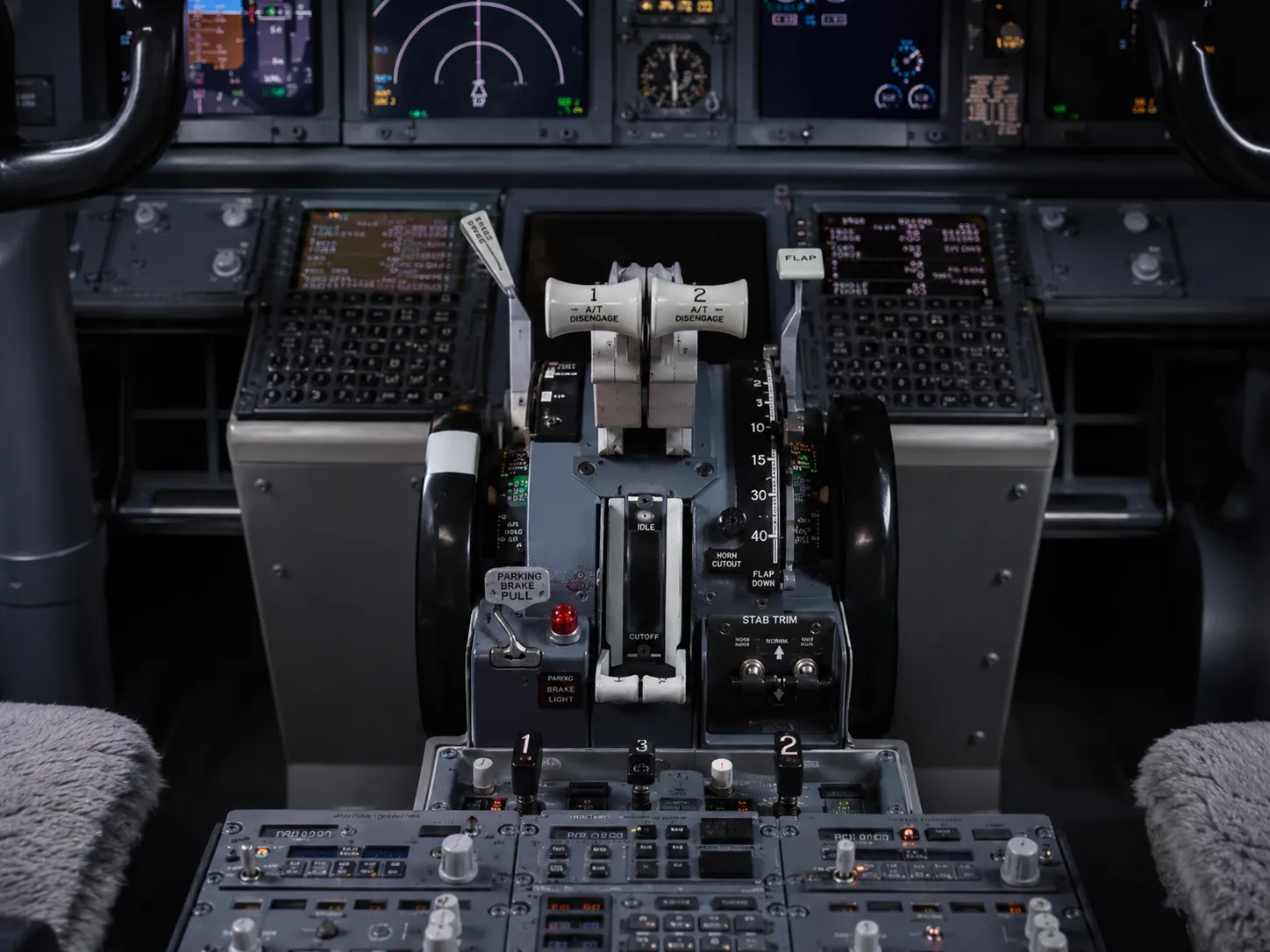
Throttle levers on the cockpit center pedestal, an area associated with manual and automatic engine power control in commercial aircraft.
On the Boeing 737, the flight crew interacts with the automatic flight system mainly through the Mode Control Panel — MCP, located on the glareshield, the area above the main flight instruments. This is where pilots select values and modes such as speed, heading, altitude, vertical speed, lateral navigation, and approach modes.
In simple terms, the MCP is like the command desk for the automatic flight system. The pilot sets what the aircraft is expected to do: maintain an altitude, climb to another altitude, follow a heading, capture a lateral route, follow a vertical profile, or prepare for an instrument approach. The system interprets these selections and shows in the cockpit which modes are armed or active.
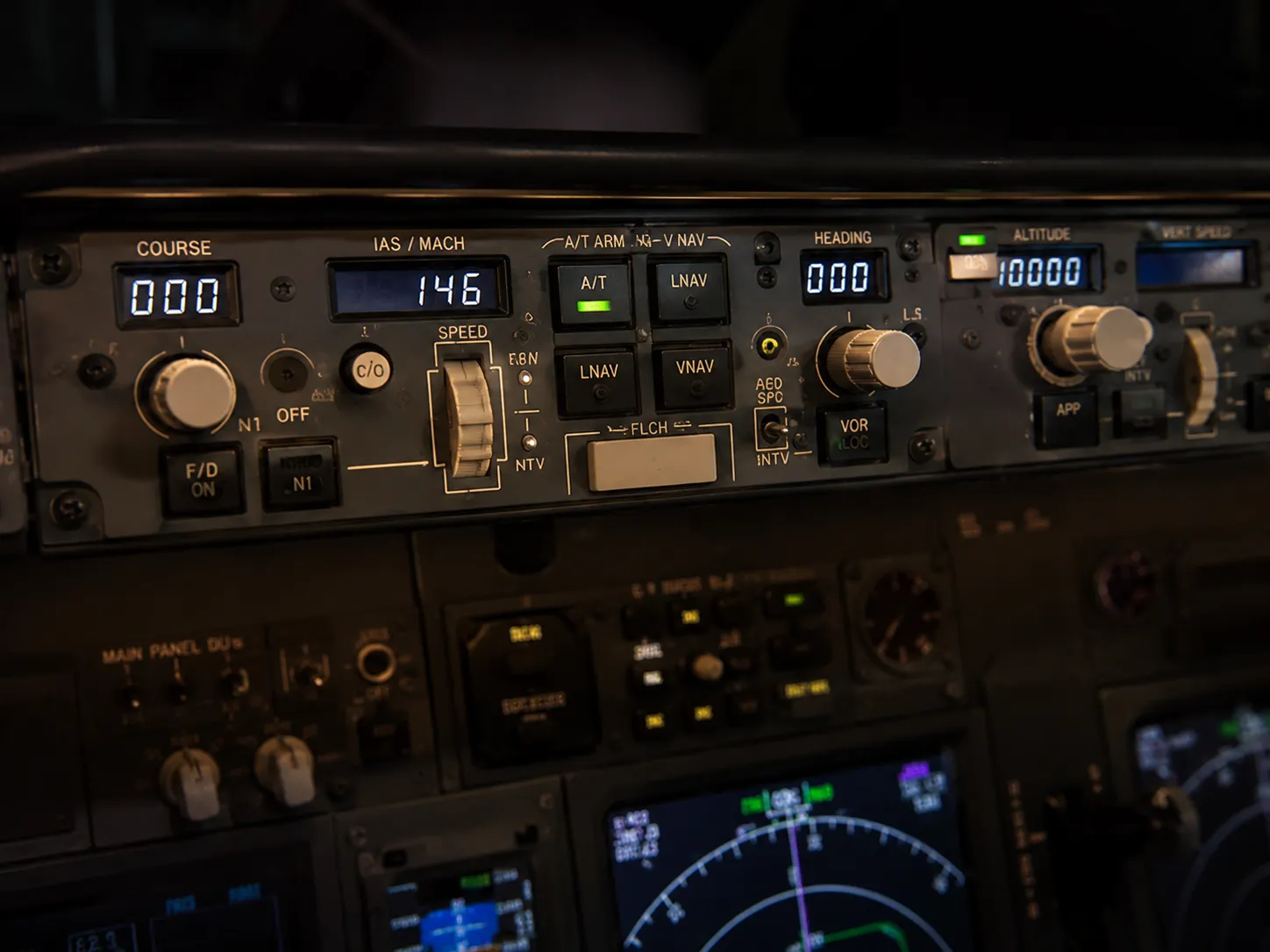
MCP panel, used by pilots to select speed, heading, altitude, and autopilot modes.
The autopilot works with two major groups of commands: lateral and vertical. Lateral control is related to the aircraft’s direction in the horizontal plane. It may involve keeping the wings level, following a selected heading, tracking a route programmed in the FMS, or capturing navigation signals.
Vertical control is related to altitude, climb or descent rate, vertical speed, climb profile, cruise, descent, and approach. In practice, the pilot does not simply turn the autopilot on in a generic way and forget about it. The pilot needs to know which lateral mode and which vertical mode are active.
The autopilot system needs information to know where the aircraft is, where it is going, and what attitude it should maintain. To do this, it receives data from several systems, such as attitude sensors, inertial systems, air data systems, radio navigation, GPS, the FMS, and flight computers.
Using this data, the system calculates attitude and flight path commands. When the autopilot is engaged, those commands are sent to actuators responsible for moving the required flight control surfaces.
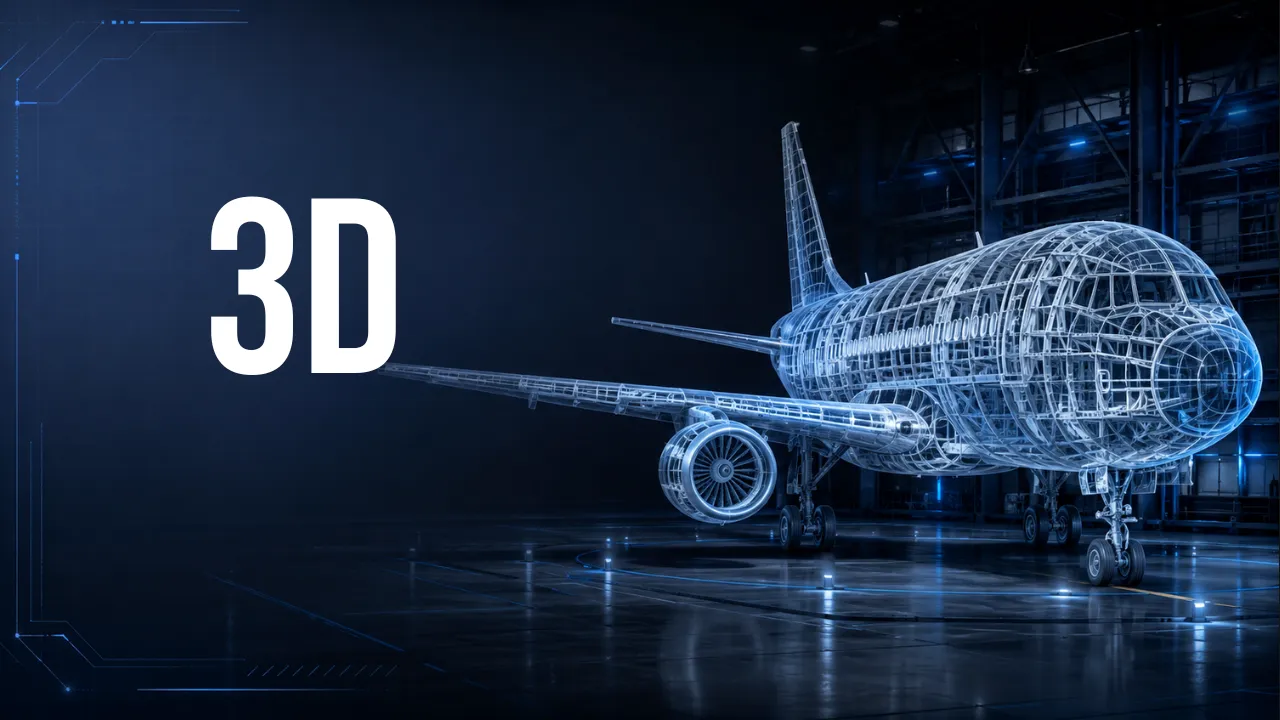
On the Boeing 737 MAX 8, the flight control computers play a central role in managing automatic functions and aircraft-specific control logic. The Flight Control Computer — FCC is involved in the control logic, guidance, and monitoring of functions related to automatic flight.
This shows that, on the 737 MAX, the automatic flight system should not be understood as a single isolated component. It is part of an integrated architecture involving computers, control logic, sensors, guidance modes, displays, and crew training.
On the Boeing 737, the term AFDS — Autopilot Flight Director System — is commonly used. This system brings together the autopilot and Flight Director logic. In simple terms, it is responsible for calculating and commanding aircraft guidance in automatic modes, or in modes where the pilot flies manually by following the Flight Director bars.
The Flight Management System — FMS is the aircraft’s flight management system. It stores and processes the flight plan, calculates flight paths, and helps manage performance, lateral navigation, and, in many cases, vertical profiles. When pilots use modes associated with managed navigation, the autopilot and Flight Director can follow information provided by the FMS.
In a simple explanation: the FMS helps define which path to follow, while the autopilot helps keep the aircraft on that path, as long as the correct modes are selected and the conditions are appropriate.
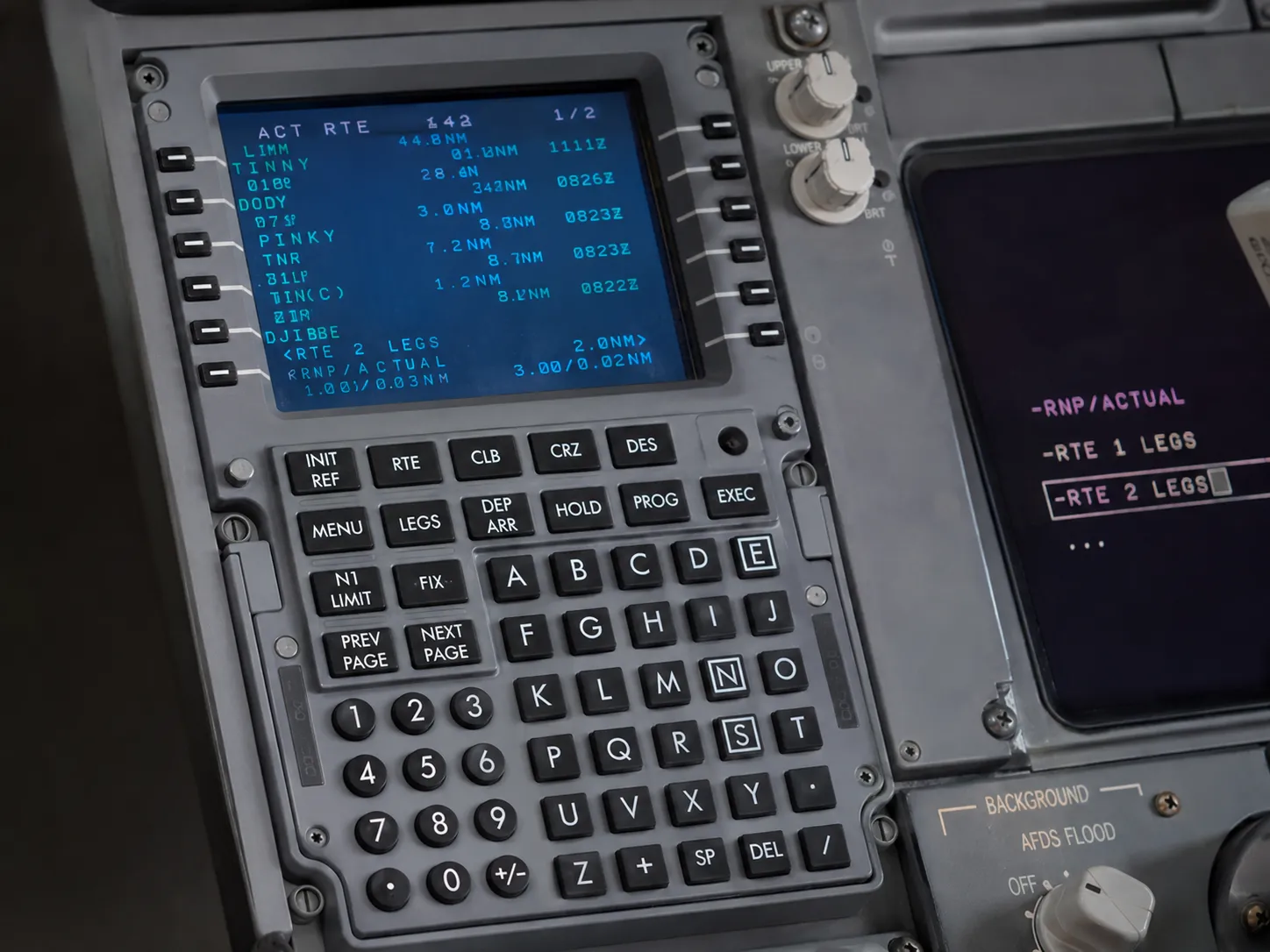
CDU/FMS unit on the center pedestal, used to enter route, navigation, and aircraft performance data.
During climb, the autopilot can help maintain speed, heading, lateral path, and vertical profile. In cruise, it helps maintain altitude, route, and speed with a high level of precision. During descent, it can follow restrictions and commands selected by the flight crew. During approach, it can assist in capturing and tracking approach paths, depending on the type of approach, available equipment, company procedures, and applicable certifications.
Even when the system is capable of a high level of automation, the flight crew must constantly monitor whether the aircraft is doing what it is supposed to do. An incorrect selection, wrong data, or a misunderstanding of the active mode can lead to an undesired situation.
When engaged, the autopilot sends commands to actuators and servos that move flight controls, such as surfaces associated with roll and pitch. Depending on the aircraft and the system, there may also be integration with automatic trim, yaw damper, Autothrottle, and other functions.
In simple terms, the autopilot does not think like a human pilot. It receives a target, compares the aircraft’s current condition with that target, and sends commands to reduce the difference. If the aircraft is below a selected altitude, for example, the system may command a climb attitude, respecting the applicable modes and limits.
A fundamental part of the system is the indication of active and armed modes. In commercial aircraft, pilots monitor this information on the Flight Mode Annunciator — FMA, located at the top of the primary flight displays. The FMA shows which modes are controlling speed, lateral path, and vertical path.
This is important because the autopilot may be engaged, but in a mode different from what the pilot expected. For that reason, a practical rule in modern cockpits is: select, verify, and monitor.
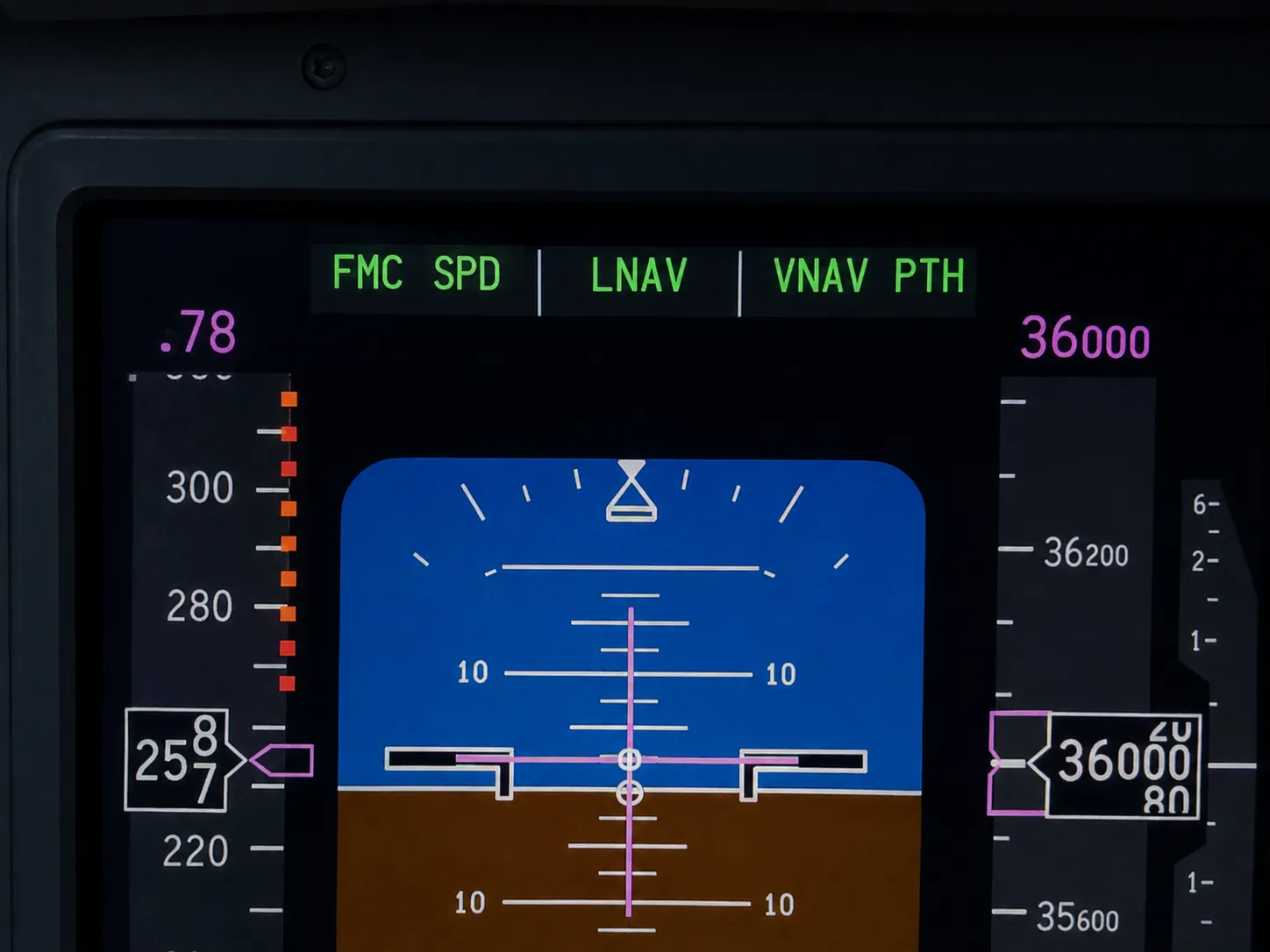
FMA indication on the primary flight display, showing active autopilot system modes.
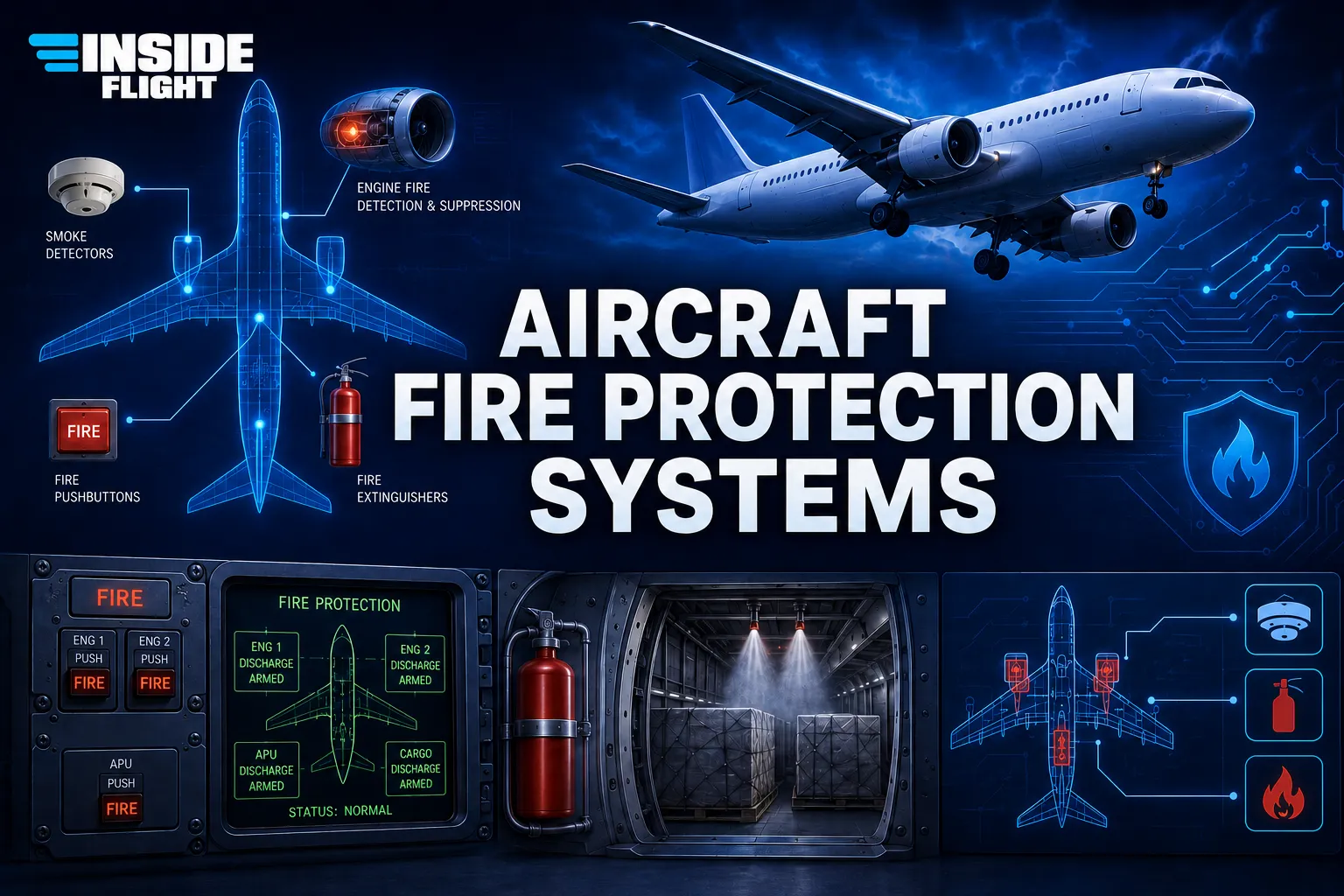
Autopilot systems in commercial aircraft are designed with monitoring and redundancy. This means failures must be detected and, depending on the condition, the system may disconnect, generate alerts, or transfer control to another available channel.
On the Boeing 737 MAX, the technical discussion about safety became especially important after software and training changes related to its return to service. The system should be understood as an architecture involving computers, sensors, indications, control logic, and crew procedures.
It is important to make this clear: MCAS is not the autopilot. MCAS is a flight control law designed to operate under specific high angle-of-attack conditions, in manual flight, with the flaps retracted. This distinction matters because many people confuse any automatic system with the autopilot.
In reality, the aircraft has different layers of automation: autopilot, Flight Director, Autothrottle, FMS, yaw damper, control laws, protections, and monitoring systems. Each one has its own function.
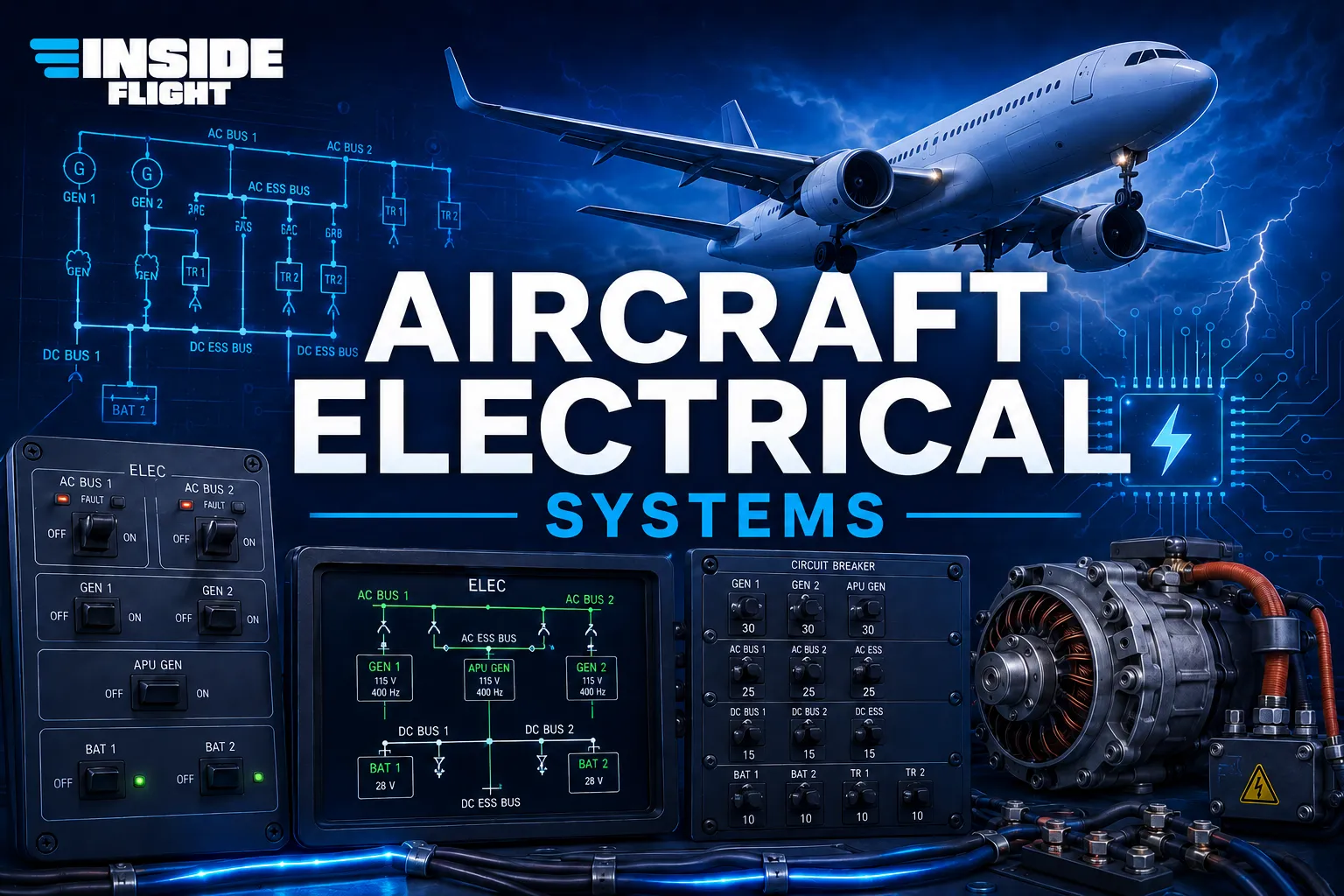
The autopilot is a powerful tool, but it has limits. It depends on sensors, computers, electrical power, hydraulics, correct data, and proper mode selection. If a relevant failure occurs, if the aircraft reaches a condition outside the limits, or if the system disconnects, the pilots must be ready to take manual control.
Also, automation does not mean there is no work to do. In many moments, the crew’s work changes: instead of directly controlling every aircraft movement, pilots manage systems, select modes, check flight paths, verify data, and monitor whether the aircraft is following the expected plan.
The autopilot system is important because it reduces workload on long flights, improves precision in maintaining altitude and route, helps with complex procedures, improves stability during several phases of flight, and allows the crew to keep more attention on the overall management of the operation.
In a modern commercial aircraft, the autopilot is an essential part of operational efficiency. It helps follow planned flight paths, reduce deviations, optimize the flight, and maintain consistent standards. But its safety depends on proper use, understanding the modes, and constant monitoring by the pilots.
In summary: the autopilot system is part of an integrated automatic flight architecture. It works with the Flight Director, Autothrottle, FMS, sensors, flight control computers, and cockpit indications to help the aircraft follow parameters defined by the flight crew. It does not replace the pilots; it executes commands within selected modes and must be continuously monitored.
Note: this content is educational and introductory. It does not replace official manuals, Boeing technical documentation, FAA publications, certified training, airline procedures, or guidance from qualified professionals.