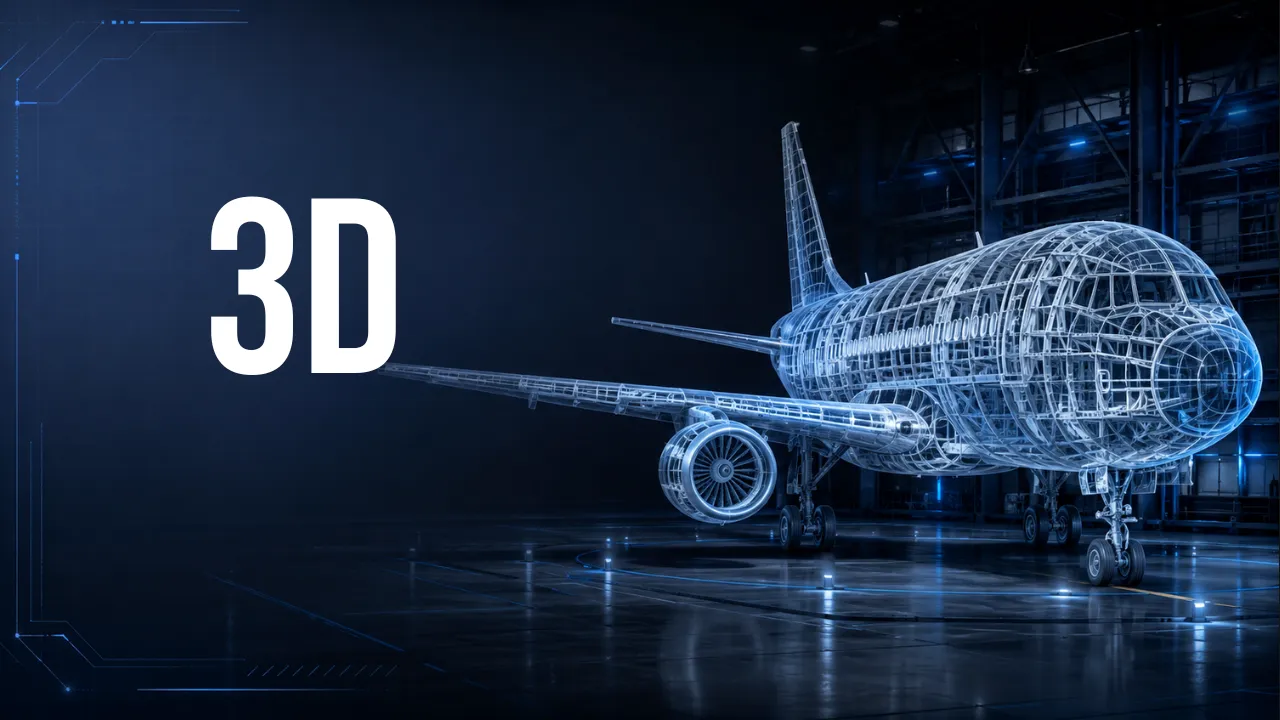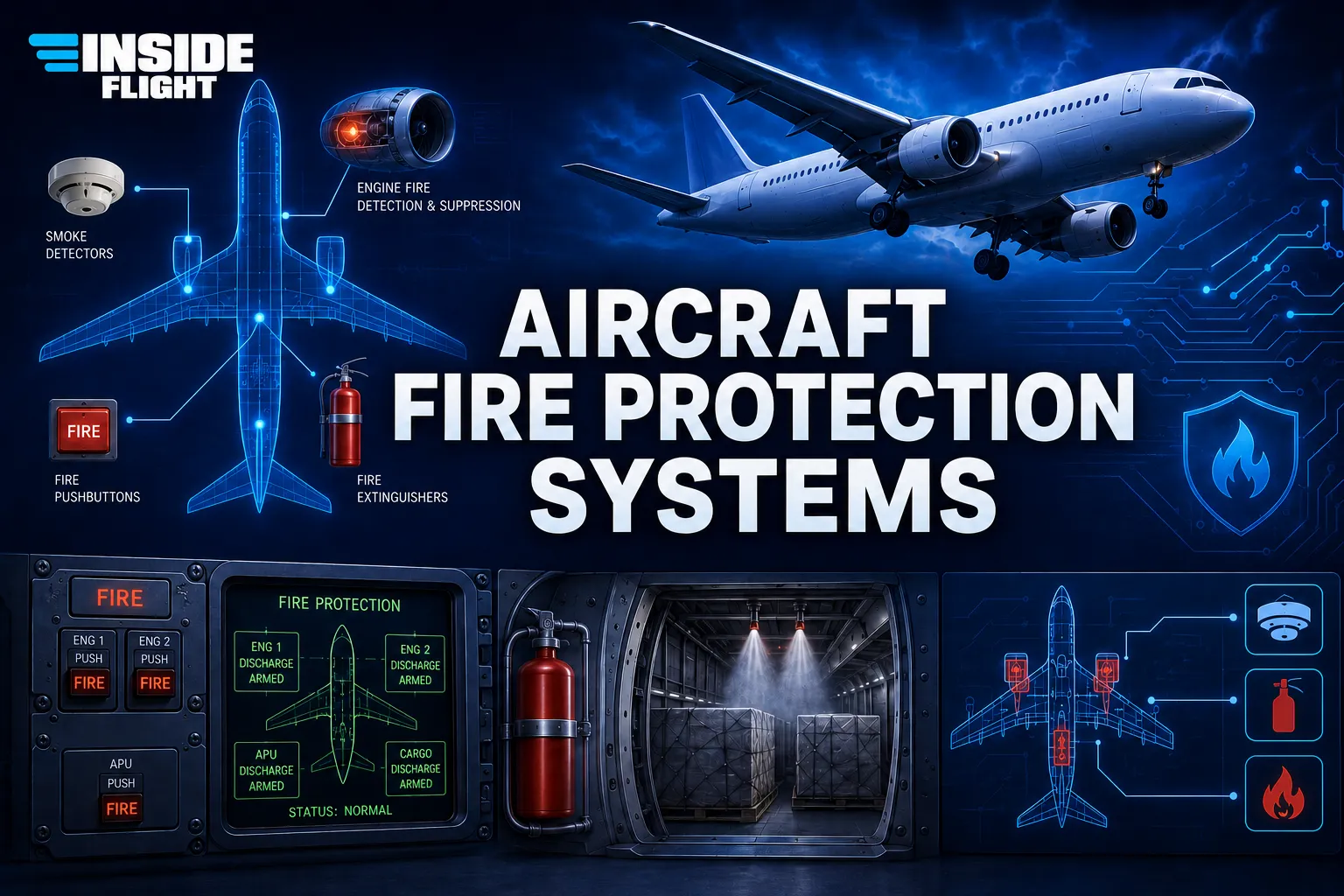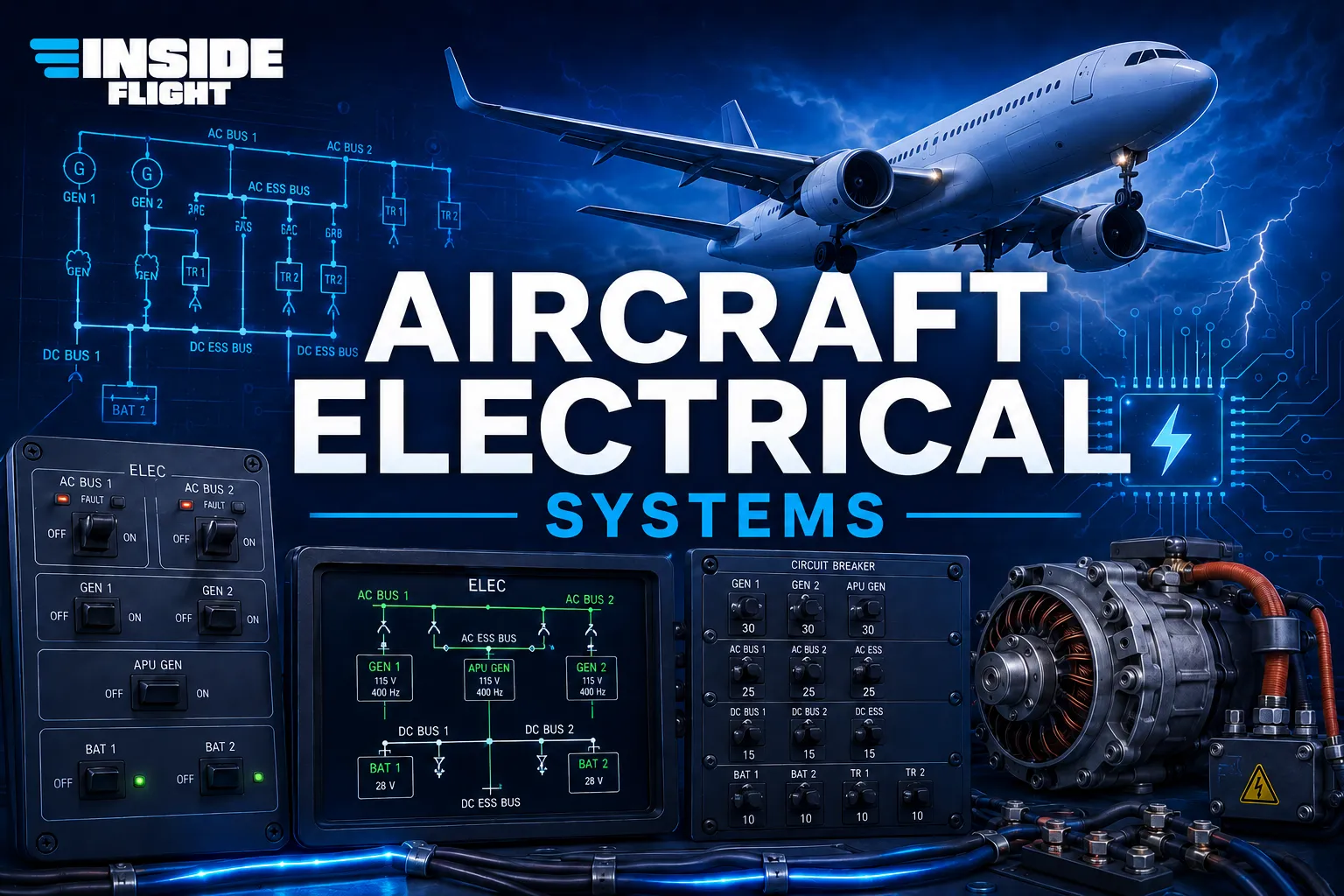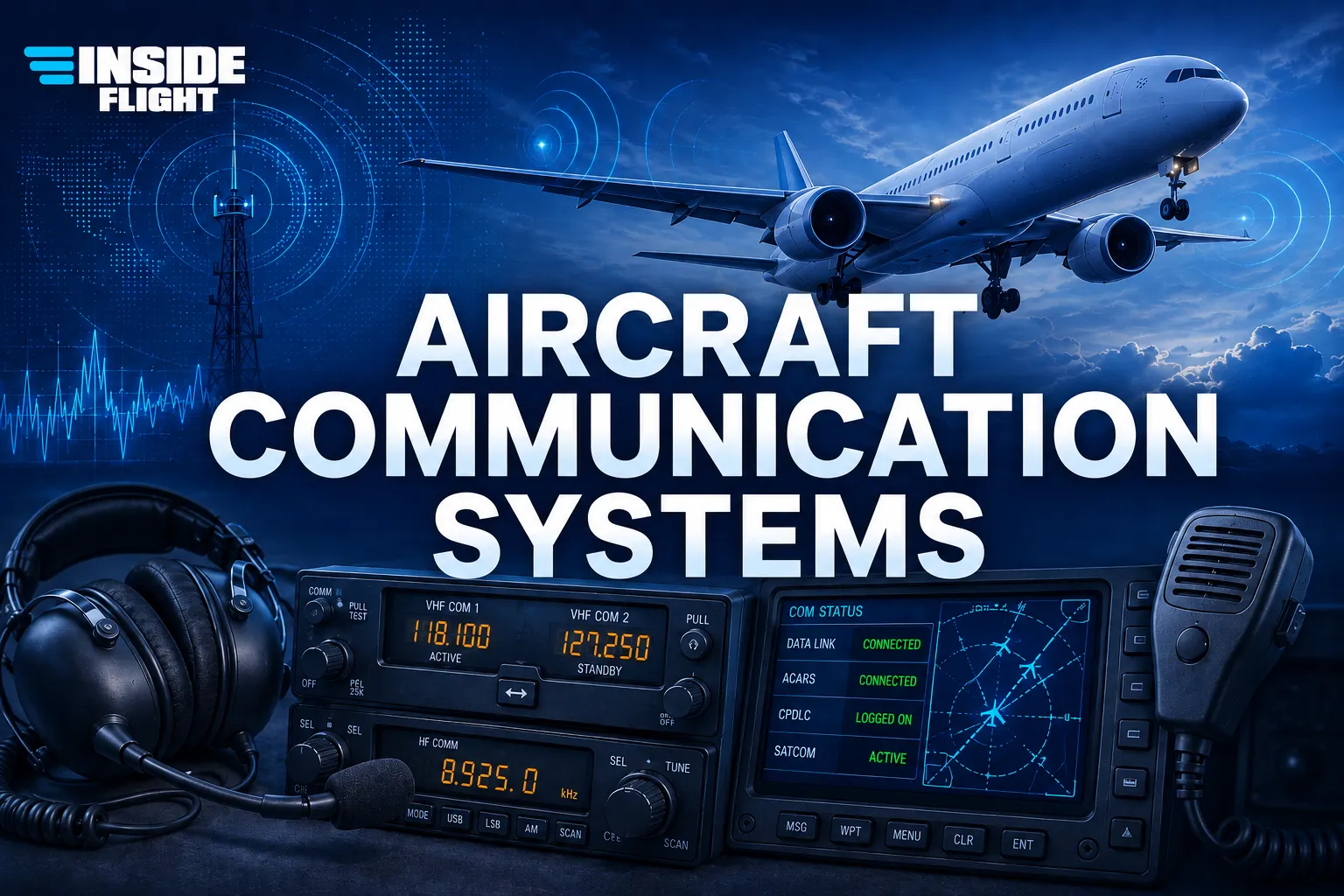
To explain this system, we will use the Boeing 737 MAX 8, also known as the Boeing 737-8, as our reference. The goal is not to turn this page into a technical aircraft manual, but to use this model as a practical example so the reader can get a realistic understanding of how the air conditioning system works in a modern commercial aircraft.
Some details may vary depending on the aircraft configuration, the airline, the equipment version, and the applicable technical documentation. Even so, the Boeing 737 MAX 8 is an excellent reference for understanding how air is supplied, conditioned, mixed, distributed, and controlled inside an aircraft.
An aircraft air conditioning system is not just used to keep the cabin cool or comfortable. It is part of a larger group of systems known as the aircraft environmental control system, which is responsible for controlling temperature, ventilation, and air quality in the cockpit and passenger cabin.
In an aircraft such as the Boeing 737 MAX 8, this system works together with other important systems, especially the pneumatic system and the pressurization system. The air conditioning system conditions and distributes the air; the pressurization system controls the cabin’s internal pressure; and the pneumatic system supplies the compressed air needed for all of this to work.
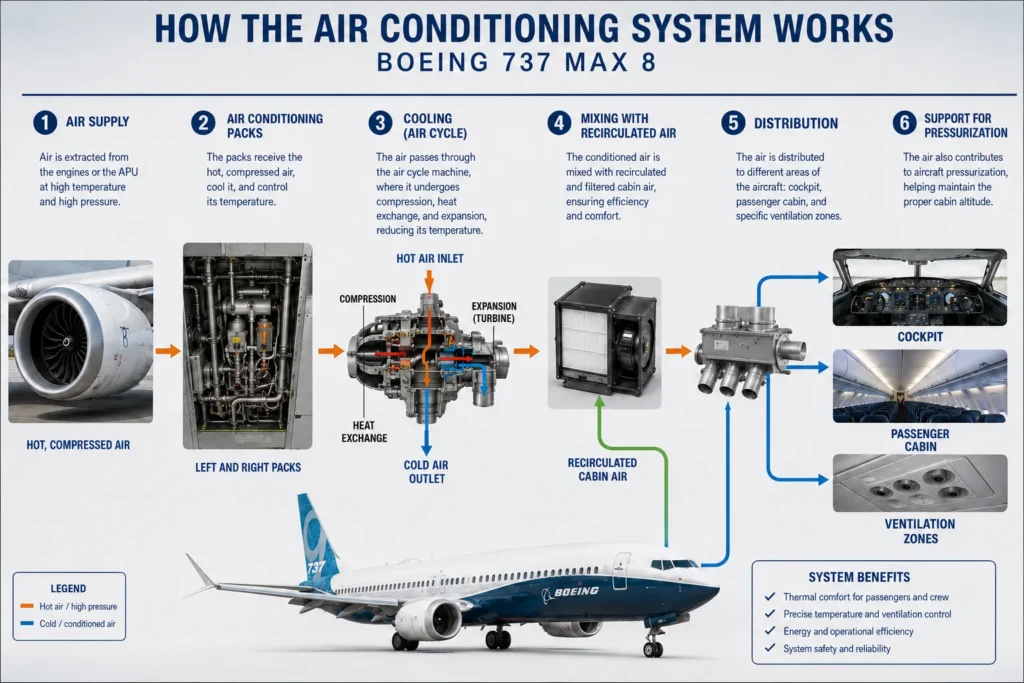
The air used by the air conditioning system can come from different sources. In flight, the main source is compressed air taken from the engines, known as bleed air. This air is extracted from stages of the engine compressor before combustion takes place. For that reason, it is clean in relation to the combustion process, but it reaches the system at high temperature and high pressure.
On the ground, before the engines are started, this air can come from the APU, or auxiliary power unit. The APU is a small auxiliary engine installed on the aircraft, used to provide electrical power and pneumatic air when the main engines are not yet running. External ground equipment may also be used, depending on the airport operation.
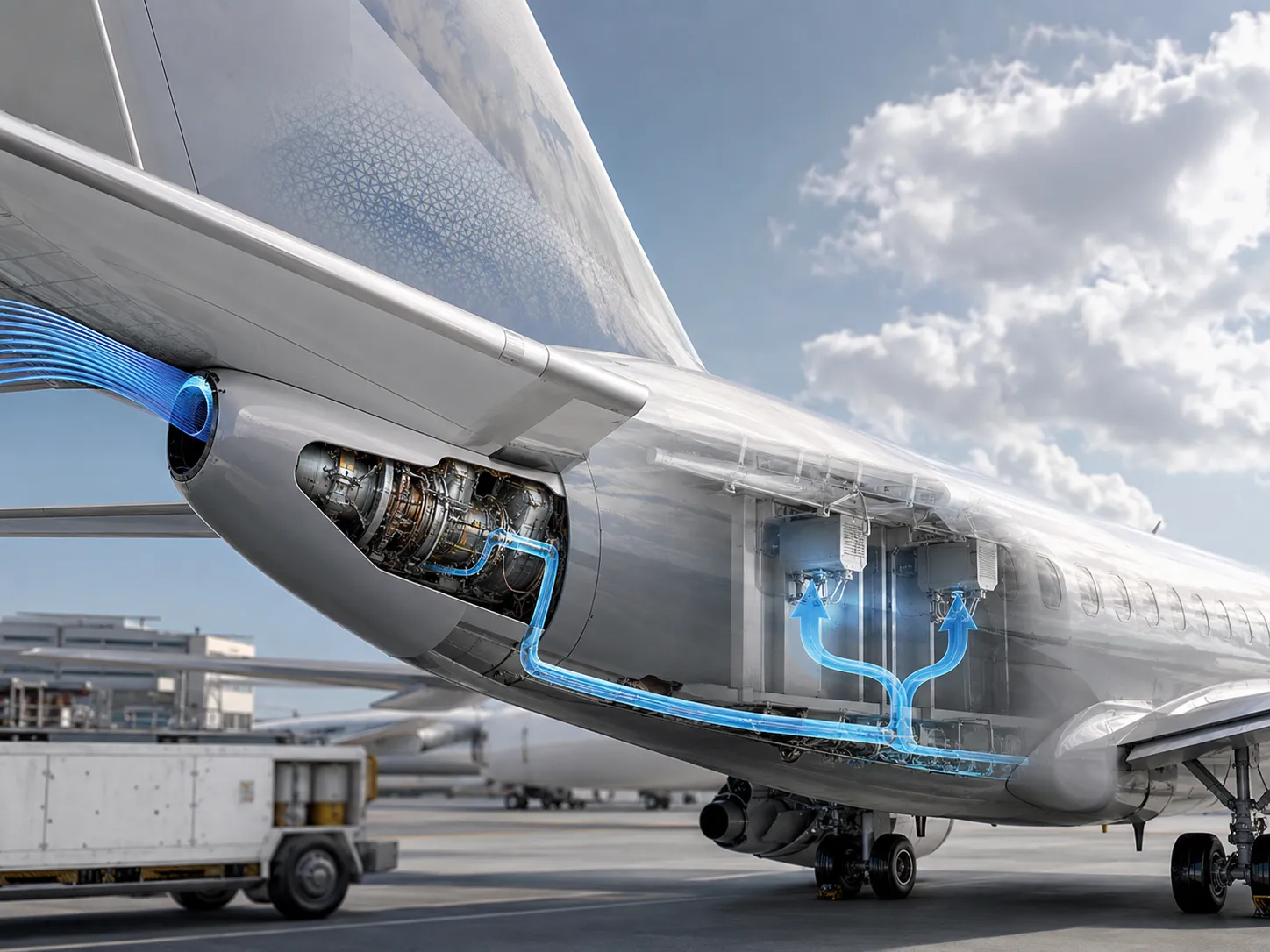
The air that comes from the engines or the APU cannot be sent directly into the cabin. It arrives at a very high temperature and under pressure. Before it can be used by passengers and crew members, it must go through a process of cooling, control, and distribution.
This is where the air conditioning packs come in. These units are responsible for turning hot, compressed air into conditioned air suitable for use inside the aircraft. On the Boeing 737 MAX 8, the system uses packs to process this air before it is sent to the cabin and cockpit.
The packs are central components of the system. They are located in the lower section of the aircraft. In simple terms, they can be understood as air treatment units. They receive hot pressurized air, reduce its temperature, and deliver conditioned air to be mixed and distributed throughout the aircraft.
A pack does not work like a common household air conditioner. Many home air conditioning units use a refrigerant fluid. In an aircraft, the principle is different: the air itself is used in the cooling process. This process is known as the air cycle.
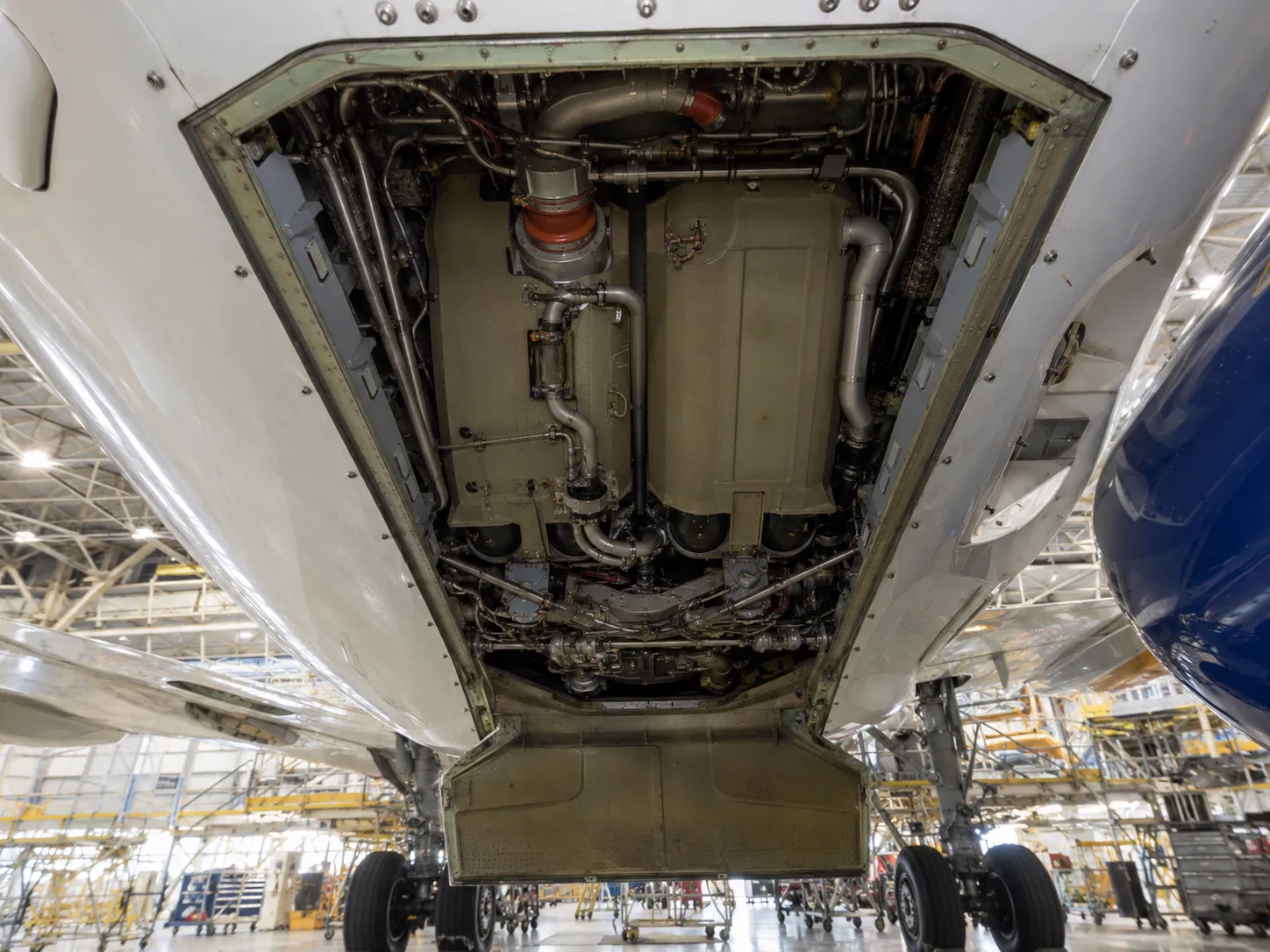
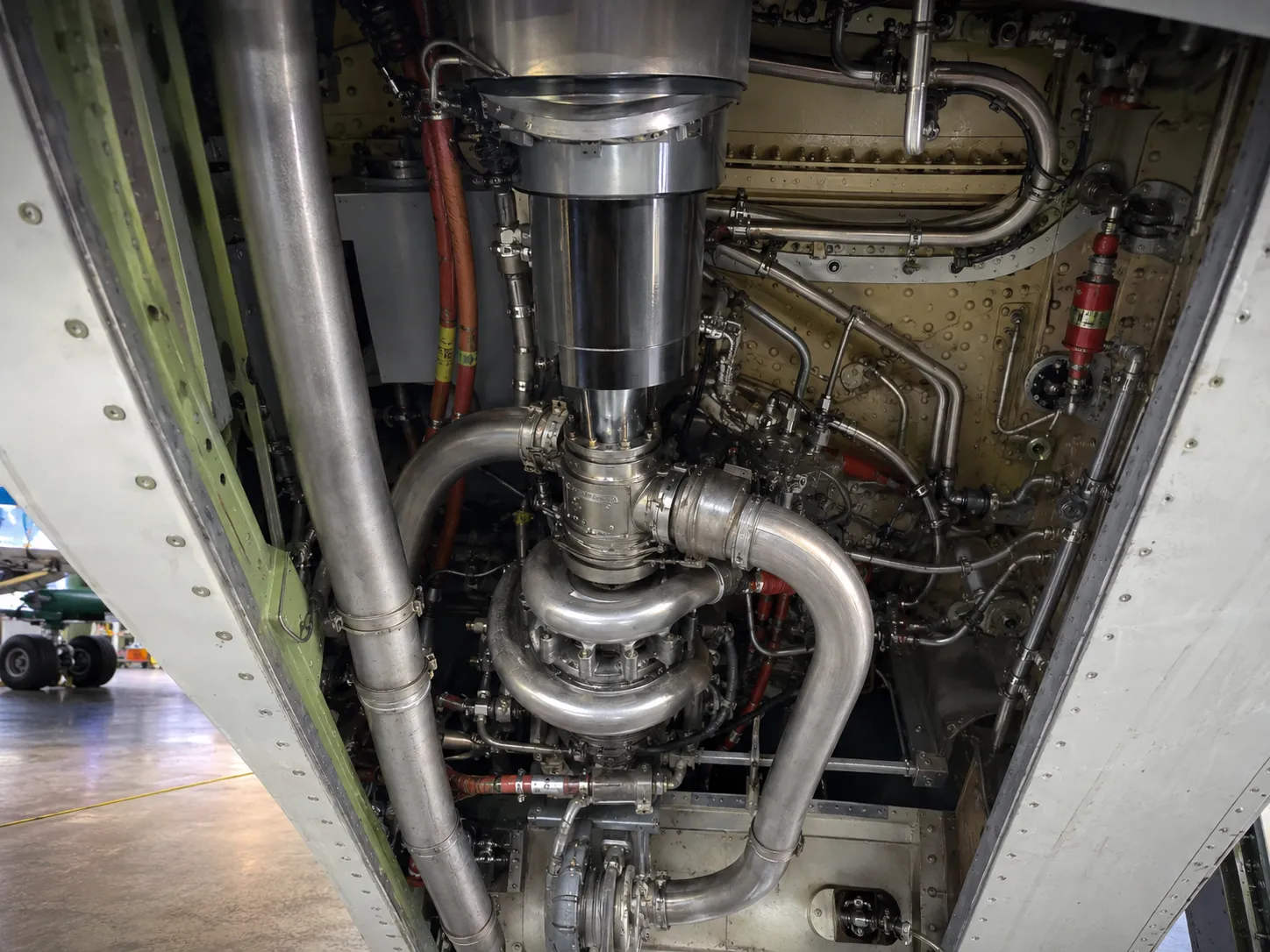
Inside the packs, there is a very important component called the Air Cycle Machine. It helps cool the air through stages of compression, heat exchange, and expansion.
In a simplified explanation, the process works like this: hot air enters the system, passes through heat exchangers, is compressed, cooled again, and then expanded through a turbine. When the air expands, its temperature drops significantly. After that, it can be adjusted and sent into the internal distribution system.
After the air has been conditioned, it is not simply sent into the cabin by itself. It may be mixed with some of the air that is already inside the aircraft. This internal air is recirculated by fans and passes through filtration before returning to the cabin environment.
Recirculation helps maintain a steady airflow and reduces the need to extract large amounts of air from the engines all the time. This improves system efficiency, because excessive use of bleed air can increase the load on the pneumatic system and affect the aircraft’s energy performance.
After the conditioning and mixing stages, the air moves into the distribution system. It is directed to different areas of the aircraft, such as the cockpit, passenger cabin, and specific ventilation zones.
The cockpit has its own requirements because it contains the pilots, panels, displays, instruments, and electronic equipment. The passenger cabin also needs to maintain a suitable temperature, constant ventilation, and comfort throughout the flight.
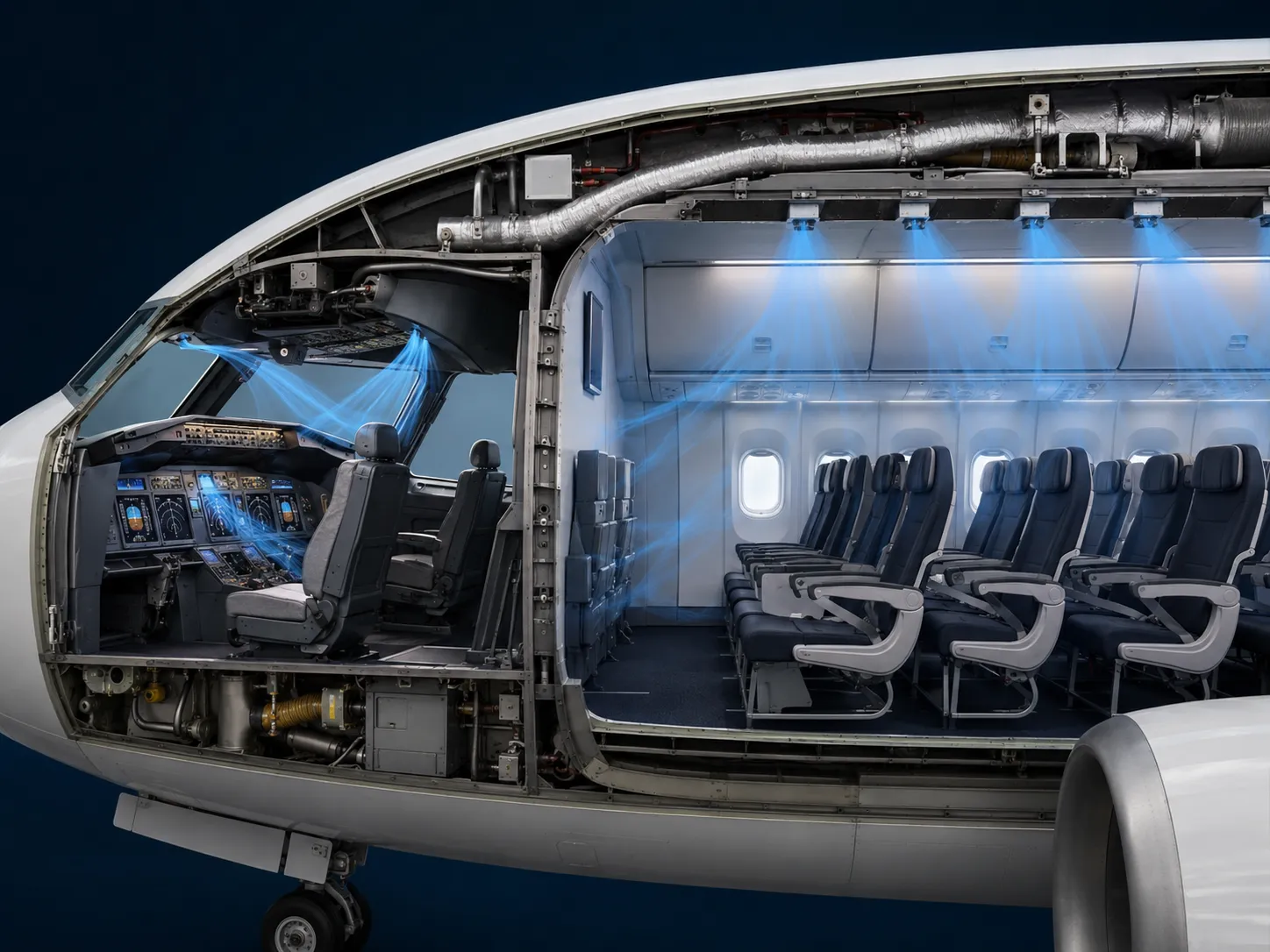
Temperature can be controlled by zones. This means that different areas of the aircraft can receive different temperature adjustments. The cockpit may need a different temperature setting from the passenger cabin, and the cabin temperature may also vary depending on passenger load, phase of flight, and outside temperature.
To fine-tune the temperature, the system can mix cold air from the packs with warmer controlled air. This adjustment allows the aircraft to maintain a more stable and comfortable temperature.
It is important to understand that air conditioning and pressurization are not the same thing, even though they work together. The air conditioning system prepares, cools, heats, mixes, and distributes the air. The pressurization system controls the cabin’s internal pressure.
During flight, the aircraft reaches altitudes where the outside air is very thin. For passengers and crew members to breathe normally, the cabin must be pressurized. To do this, conditioned air continuously enters the fuselage, while outflow valves control how much air leaves the aircraft.
This balance between air entering and leaving the aircraft makes it possible to maintain the proper internal pressure.
On the ground, the system may operate differently. Before engine start, air conditioning can be supplied by the APU or by an external air source. During boarding, for example, it is common for the APU to provide air conditioning to keep the cabin ventilated and comfortable.
During engine start, the pneumatic system may need to prioritize air for starting the engines. At that moment, the flow of conditioned air may change. That is why passengers sometimes notice temporary changes in ventilation during pushback or at the beginning of the operation.
The air conditioning system also includes monitoring. Sensors, valves, and controls help check temperature, airflow, pack operation, and abnormal conditions.
In the cockpit, the flight crew can control the packs, select air sources, monitor indications, and respond to system-related alerts. This is important because air conditioning is not only about comfort: it is also connected to ventilation, cabin temperature, equipment operation, and maintaining a safe environment for passengers and crew members.
To a passenger, the air conditioning system may seem like nothing more than air coming out of the vents. From a technical point of view, however, it is an essential aircraft system.
It helps keep the internal environment habitable, controls temperature, provides ventilation, supports cabin comfort, helps cool equipment, and works together with pressurization. Without this system working properly, the flight could become uncomfortable and, in certain situations, operationally limited.
In summary: on the Boeing 737 MAX 8, the air conditioning system takes compressed air, cools it, mixes it, adjusts it, and distributes it to keep the cabin and cockpit in suitable conditions during aircraft operation.
Note: this document is educational and introductory. It does not replace official manuals, Boeing technical documentation, certified training, or approved procedures for aircraft maintenance and operation.