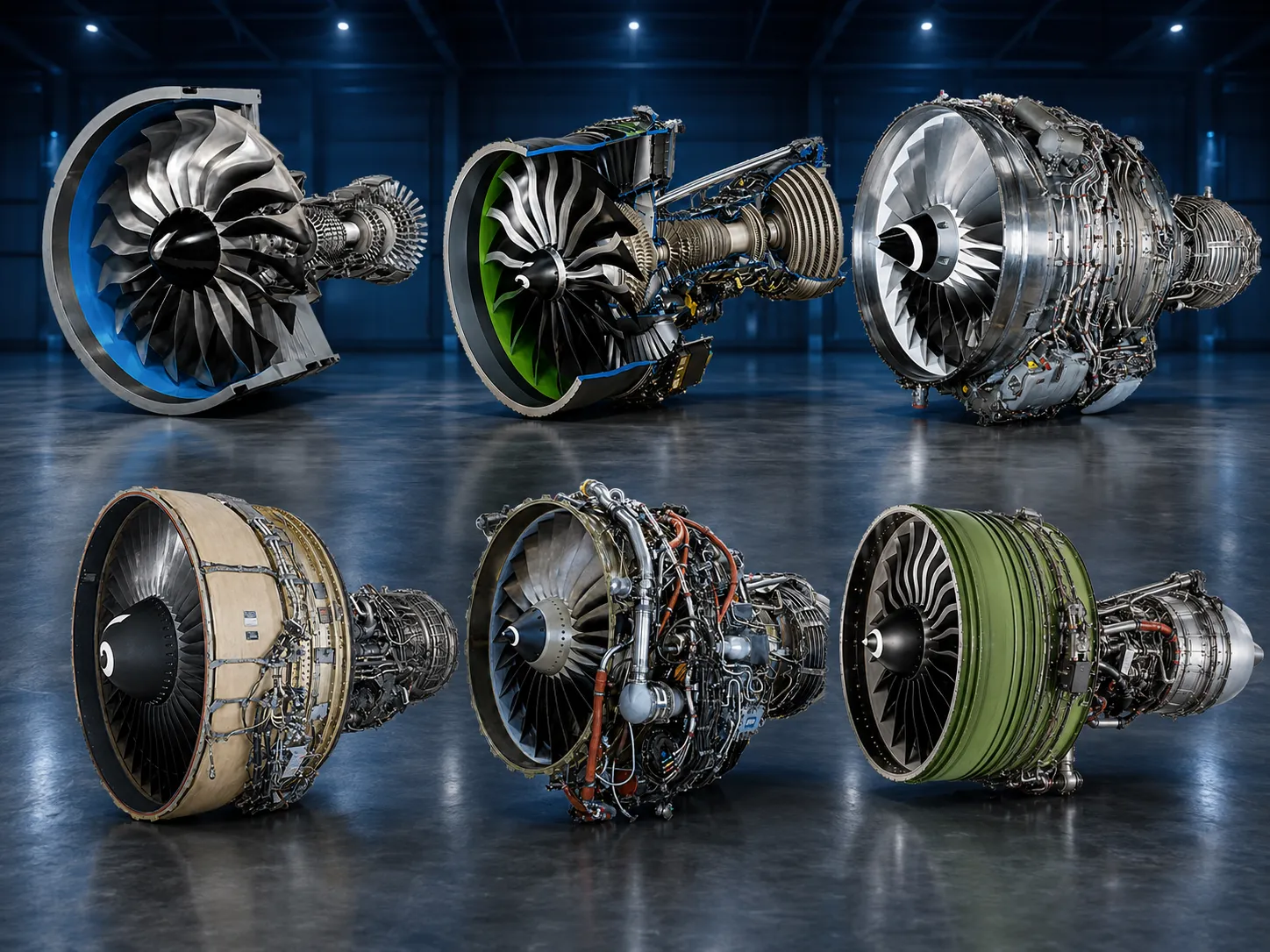
The LEAP engine family, developed by CFM International, a joint company between GE Aerospace and Safran Aircraft Engines, represents a new generation of turbofan engines for commercial narrowbody aircraft. The family was developed to succeed the widely used CFM56, bringing major advances in efficiency, emissions, noise, materials, and operational performance.
The LEAP covers a thrust range from 23,000 to 35,000 lbf, depending on the version and application. Aircraft powered by these engines include the Airbus A320neo family, using the LEAP-1A, and the Boeing 737 MAX family, using the LEAP-1B.
So far, approximately 7,000 LEAP-1A and LEAP-1B engines have been delivered, with more than 20,000 orders and purchase commitments received. These numbers show the importance of the LEAP family in today’s single-aisle aircraft market.
The LEAP is a two-spool turbofan engine positioned in the 23,000 to 35,000 lbf thrust class. The LEAP-1A can produce up to 35,000 lbf of thrust, while the LEAP-1B has a maximum capability of approximately 28,000 lbf.
As a modern high-bypass turbofan, the LEAP uses a front fan to move a large volume of air. Part of this air enters the engine core, where it is compressed, mixed with fuel, burned, and expanded through the turbines. The rest of the air flows through the bypass duct, helping generate thrust with greater propulsive efficiency.
In simple terms: the LEAP is CFM’s new-generation engine for aircraft such as the Airbus A320neo and Boeing 737 MAX. It was designed to burn less fuel, produce fewer emissions, and operate with lower noise levels compared with earlier-generation engines.
| Parameter | LEAP-1A | LEAP-1B |
|---|---|---|
| Maximum thrust | 35,000 lbf | 28,000 lbf |
| Bypass ratio | 11:1 | 8.6:1 |
| Overall pressure ratio | 40:1 | 41:1 |
| Length | 11 ft, approximately 3.35 m | 10.3 ft, approximately 3.14 m |
| Width | 8.3 ft, approximately 2.53 m | 7.9 ft, approximately 2.41 m |
| Height | 7.8 ft, approximately 2.38 m | 7.4 ft, approximately 2.26 m |
| Weight | 6,631 lb, approximately 3,008 kg | 6,128 lb, approximately 2,780 kg |
| Entry into service | 2016 | 2016 |
| Component | LEAP-1A | LEAP-1B | Note |
|---|---|---|---|
| High-pressure compressor | 10 stages | 10 stages | Performs the final compression before the combustion chamber. |
| High-pressure turbine | 2 stages | 2 stages | Drives the high-pressure compressor. |
| Low-pressure turbine | 7 stages | 5 stages | Drives the fan and the low-pressure system. |
The LEAP incorporates technologies designed to reduce fuel burn, emissions, and noise while maintaining the reliability expected from an engine family used across large commercial fleets.
| Technology | Description and benefit |
|---|---|
| Composite fan blades | Fan blades with titanium leading edges, aerodynamically optimized for improved efficiency and durability. |
| Ceramic matrix composites | CMC materials used in high-temperature components, offering greater thermal resistance with reduced weight. |
| Compressor blisks | Integrated disk-and-blade components that reduce weight and improve aerodynamic performance. |
| Low-emissions combustor | Advanced combustor design aimed at reducing NOx and other emissions associated with engine operation. |
| High bypass ratio | On the LEAP-1A, the 11:1 bypass ratio contributes to excellent propulsive efficiency. |
The LEAP-1A was developed for the Airbus A320neo family, including the A319neo, A320neo, and A321neo. This version has the highest thrust rating in the LEAP family and a high bypass ratio, supporting efficiency in single-aisle operations.
The LEAP-1B was developed exclusively for the Boeing 737 MAX family. This version was adapted to the specific characteristics of the 737, including integration constraints related to landing gear height and the engine’s position under the wing.
The LEAP-1C was developed for the Comac C919, a Chinese single-aisle commercial aircraft. Although it is part of the LEAP family, it is not the main focus of this article, which concentrates on the LEAP-1A and LEAP-1B versions and the maintenance scope described for those variants.
| Feature | LEAP-1A | LEAP-1B |
|---|---|---|
| Maximum thrust | 35,000 lbf | 28,000 lbf |
| Bypass ratio | 11:1 | 8.6:1 |
| Pressure ratio | 40:1 | 41:1 |
| Low-pressure turbine stages | 7 | 5 |
| Application | Airbus A320neo Family | Boeing 737 MAX Family |
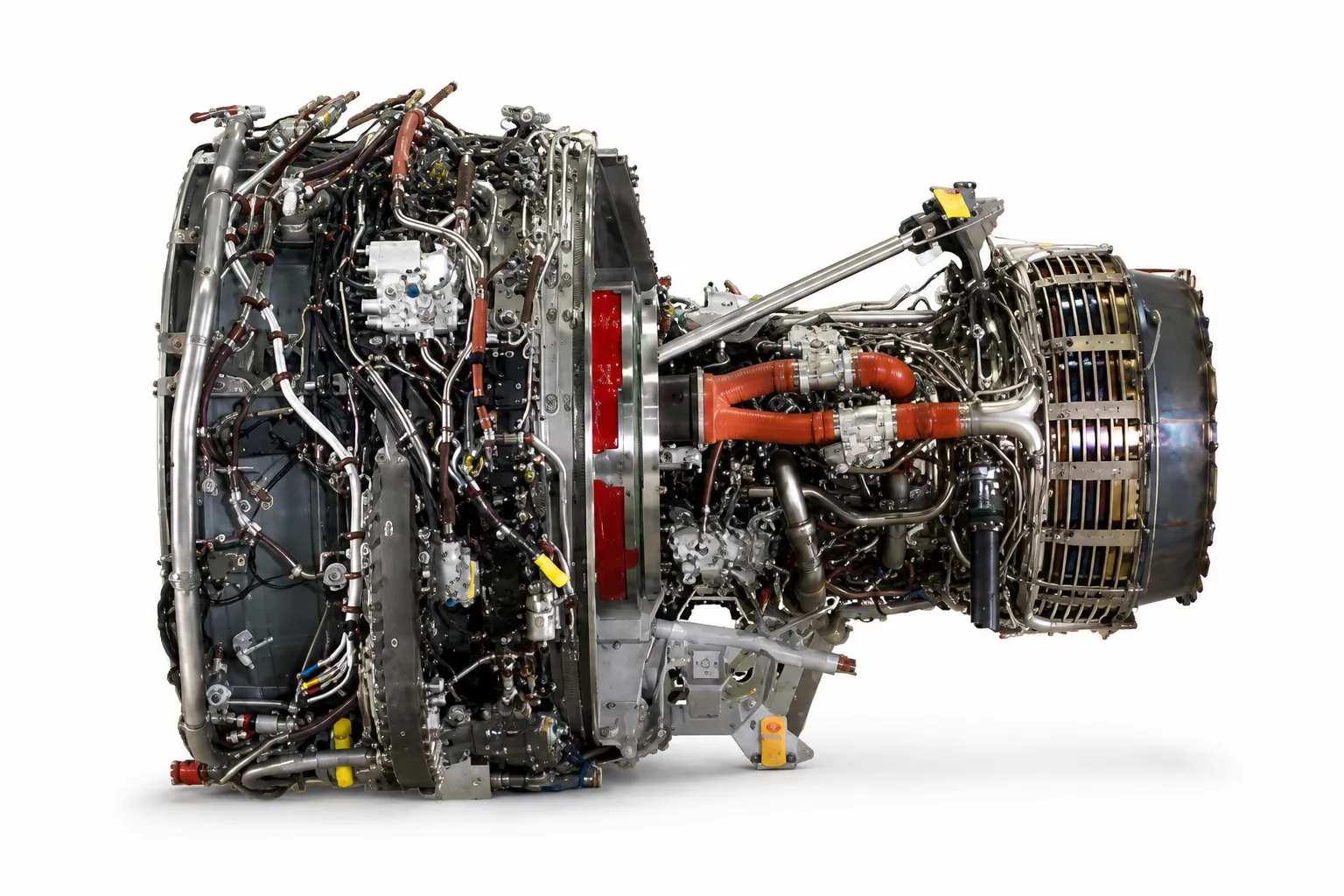
LEAP engine by CFM International. Image used for educational purposes.
MTU Aero Engines supports the LEAP program through maintenance, repair, and overhaul activities, commonly known as MRO. For the LEAP-1A and LEAP-1B versions described here, MTU’s role is focused on maintenance support, with no development or component manufacturing responsibility for the engine program.
| Model | Facility | Location | Start year | Work scope |
|---|---|---|---|---|
| LEAP-1A | MTU Maintenance | Zhuhai, China | 2021 | Full engine MRO. |
| LEAP-1B | MTU Maintenance | Zhuhai, China | 2019 | Full engine MRO. |
| LEAP-1A/-1B | MTU Maintenance | Fort Worth, United States | Planned | Full engine MRO. |
MTU Maintenance Zhuhai is located in one of Asia’s major aviation hubs. Its geographic position supports operators in the region, especially in a market where single-aisle aircraft fleets continue to grow.
| Aspect | Details |
|---|---|
| Location | Zhuhai, China, positioned in one of Asia’s major aviation hubs. |
| Certifications | EASA, FAA, CAAC, and other certifications applicable to the LEAP model. |
| Differentiators | Short-notice service slots, reduced turnaround times, and competitive pricing. |
| Customer benefit | Greater planning flexibility in the current high-demand maintenance environment. |
MTU Maintenance Fort Worth, in the United States, is preparing to serve as a Premier MRO facility for LEAP engines. This classification reflects a high level of capability, technical access, and support within the CFM International authorized network.
| Aspect | Details |
|---|---|
| Classification | Premier MRO, an exclusive classification assigned to a limited number of providers worldwide. |
| Status | Preparing for LEAP engine inductions in the coming years. |
| Capabilities | Full performance restoration and extensive repair capabilities. |
| Benefit | Access to advanced technology and support from CFM International. |
| Metric | Value |
|---|---|
| Shop visits through 2025 | More than 250. |
| Capability | Full engine overhaul, or engine MRO. |
| Additional services | On-site maintenance activities. |
In addition to maintenance activities, MTU Maintenance Lease Services B.V., located in Amsterdam, the Netherlands, offers engine leasing options. This type of service can be important for operators that need to maintain fleet availability during maintenance periods.
| Aspect | Details |
|---|---|
| Company | MTU Maintenance Lease Services B.V. |
| Location | Amsterdam, the Netherlands. |
| Service | Engine leasing options to support operations during maintenance periods. |
MTU’s LEAP service portfolio includes engine overhaul, component repair, technical support, condition monitoring, and solutions for aircraft-on-ground situations.
| Service | Details |
|---|---|
| Full overhaul | Complete engine overhaul with performance restoration. |
| Component repair | Extensive repair capabilities for critical components. |
| On-site support | Maintenance performed at the customer’s facility. |
| Condition monitoring | Continuous monitoring of engine performance. |
| Technical support | Specialized consulting for troubleshooting and problem resolution. |
| AOG hotline | 24/7/365 hotline for aircraft-on-ground situations. |
| Engine leasing | Replacement engines available during maintenance periods. |
The Premier MRO classification indicates that a facility has advanced capability, training, technical access, and processes aligned with CFM International standards. This model is designed to help ensure quality, standardization, and technical compliance in overhaul and repair activities.
| Aspect | Details |
|---|---|
| Exclusivity | Only a limited number of Premier MRO service providers worldwide. |
| Training | High-level training and support from CFM International. |
| Technology access | Access to proprietary overhaul and repair technologies. |
| Quality | Standardized service with compliance to original specifications. |
The LEAP family holds a central position in the market for new-generation narrowbody aircraft. Its use on two of the world’s most important commercial aircraft families, the Airbus A320neo and Boeing 737 MAX, makes the program essential for airlines and operators around the world.
| Metric | Value |
|---|---|
| Engines delivered | Approximately 7,000 LEAP-1A and LEAP-1B engines. |
| Orders and commitments | More than 20,000. |
| Market position | Leading engine for new-generation narrowbody aircraft. |
| Direct competitor | Pratt & Whitney GTF, especially on the Airbus A320neo family. |
| Feature | LEAP-1A | LEAP-1B |
|---|---|---|
| Thrust | 35,000 lbf | 28,000 lbf |
| Bypass ratio | 11:1 | 8.6:1 |
| Pressure ratio | 40:1 | 41:1 |
| Weight | 6,631 lb | 6,128 lb |
| Low-pressure turbine stages | 7 | 5 |
| Aircraft | Airbus A320neo Family | Boeing 737 MAX Family |
| Certification | Details |
|---|---|
| EASA | European Union Aviation Safety Agency. |
| FAA | United States Federal Aviation Administration. |
| CAAC | Civil Aviation Administration of China. |
| Other certifications | Additional approvals according to regulatory and operational requirements. |
With thousands of engines already delivered and a large order backlog, the LEAP family is expected to continue growing alongside Airbus A320neo and Boeing 737 MAX deliveries. This growth also increases demand for maintenance, parts, repairs, and specialized technical support.
| Aspect | Details |
|---|---|
| Current fleet | Approximately 7,000 engines delivered or in operation. |
| Pending orders | More than 20,000 engines in orders and commitments. |
| Outlook | Continued growth with A320neo and 737 MAX deliveries. |
| Facility | Status | Planned capability |
|---|---|---|
| Zhuhai | Operational | Full MRO for LEAP-1A and LEAP-1B engines. |
| Fort Worth | Planned | Premier MRO with full performance restoration. |
The LEAP was designed with lower fuel burn, lower emissions, and greater efficiency in mind. Its compatibility with sustainable aviation fuels, commonly known as SAF, also supports the aviation industry’s environmental goals.
The rapid growth of the LEAP fleet creates both challenges and opportunities for the maintenance sector. High MRO demand requires installed capacity, parts availability, specialized labor, and efficient processes to reduce engine downtime.
| Aspect | Details |
|---|---|
| Challenge | High demand for MRO services as the fleet continues to grow. |
| Opportunity | MTU Maintenance Fort Worth’s Premier MRO positioning. |
| Differentiator | Flexibility and reduced response times at MTU Maintenance Zhuhai. |
The LEAP-1A/-1B represents CFM International’s new-generation engine family for commercial single-aisle aircraft. It combines the operational experience accumulated with the CFM56 with more modern technologies, including ceramic matrix composites, blisks, composite fan blades, and a low-emissions combustor.
The difference between the LEAP-1A and the LEAP-1B shows how the same engine family can be adapted to different platforms. The LEAP-1A powers the Airbus A320neo family, while the LEAP-1B was developed exclusively for the Boeing 737 MAX.
With a growing fleet and a large order backlog, the LEAP is expected to remain one of the most important engines in commercial aviation for decades. In this context, the MRO network, including facilities such as Zhuhai and Fort Worth, will play an essential role in fleet availability and engine performance.